• National Air Transportation Association
• Titan Aviation
Charter
BAN's World Gazetteer
• District of Columbia The bimonthly news publication for aviation professionals.
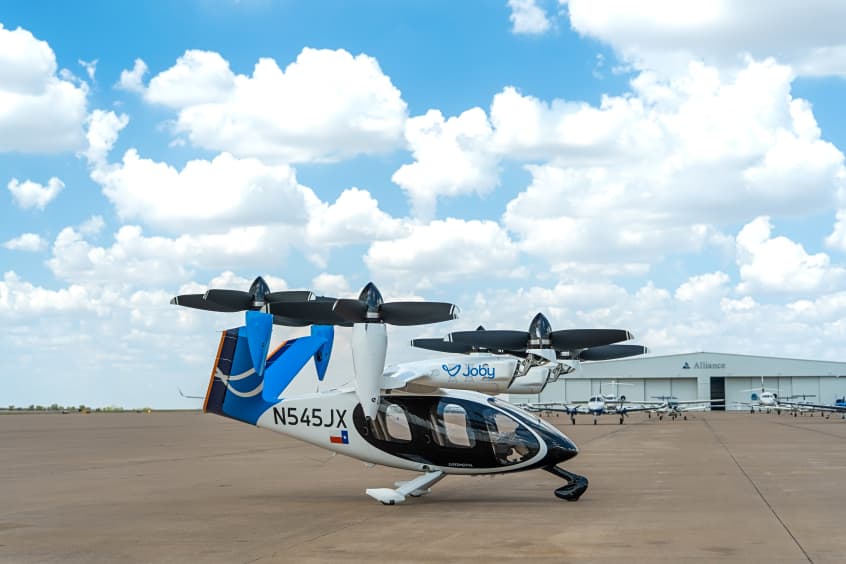
The National Air Transportation Association (NATA) recently named its new committee leadership relative to infrastructure and flight operations at an Advanced Air Mobility (AAM) Town Hall in conjunction with its AAM Committee meeting in Washington, DC.
The Town Hall: AAM Landscape fostered connections between the AAM community and NATA's other policy committees, providing a forum for leaders from the Association's AAM, Air Charter, GA Airport, Safety and Environment committees to discuss operations, ground infrastructure, safety, maintenance, security and ground handling training relative to AAM.
“With the advent of emerging technologies, the aviation business industry needs a unified approach to modernisation of both our infrastructure and operational framework. Communication, collaboration and cooperation across all aviation verticals over the next decade will be key to creating a healthy and vibrant AAM ecosystem,” says president and CEO Curt Castagna. “On behalf of the NATA board, executive leadership and our member businesses, I welcome our new AAM members to the association and policy committee. NATA appreciates the committees' work to examine potential challenges, seek opportunities and identify solutions that will assist our members today, tomorrow and 10 years from now.”
Following the Town Hall, the AAM Committee named Ferrovial Vertiports vice president of operations Craig Teasdale (infrastructure) and Titan Aviation US president Toni Drummond (flight operations) as co-chairs and outlined a strategic vision focusing on AAM ground infrastructure and air charter operations development, legislative and regulatory priorities, and fact-based community education and industry relations efforts.
“The new Advanced Air Mobility Committee is a great addition to advance NATA's role as the voice of aviation business with the rapid approach of AAM changing the future aviation landscape. I look forward to working with the committee members to help educate and inform the membership on this ever changing and growing industry,” says Teasdale.
“I look forward to bringing a fresh voice, a diverse skill set and, most of all, a creative spark that will inspire collaboration among the industry stakeholders and experts represented on this committee,” adds Drummond.
“NATA was pleased to have a new opportunity to unite its various membership segments toward a common goal. It's important for all aviation businesses to have an understanding, a voice and a vision for AAM integration into the current aviation ecosystem. We can't thank Toni and Craig enough for their willingness to ensure alignment across all sectors of the industry as AAM continues to alter and advance the aviation paradigm,” says NATA managing director of industry affairs and innovation and AAM Committee staff liaison Megan Eisenstein.