


• AMAC Aerospace Switzerland
Completions
• Flex Aero Aircraft Painting and Interior
Completions
BAN's World Gazetteer
• Switzerland The bimonthly news publication for aviation professionals.
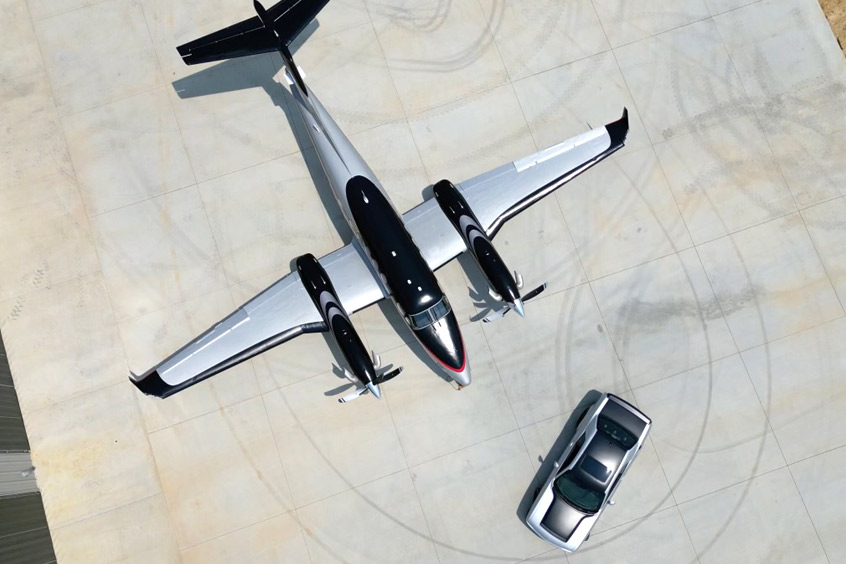
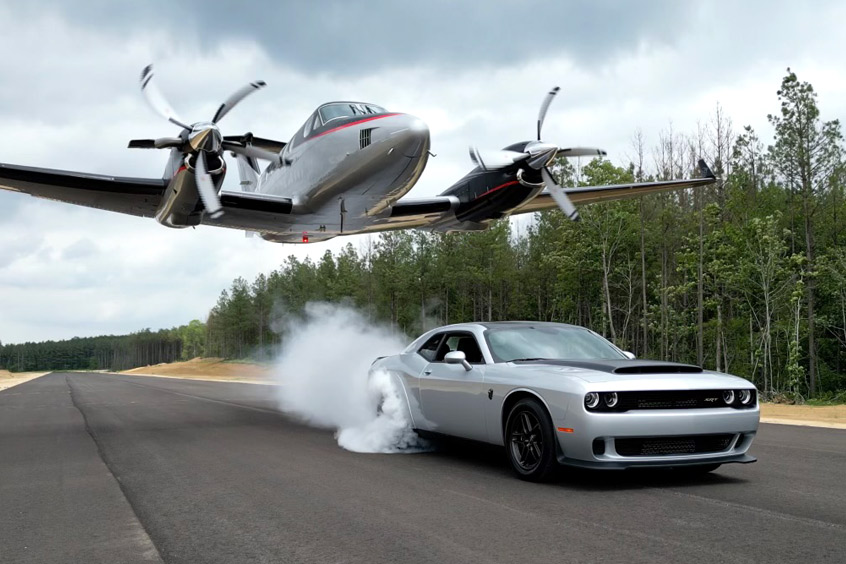
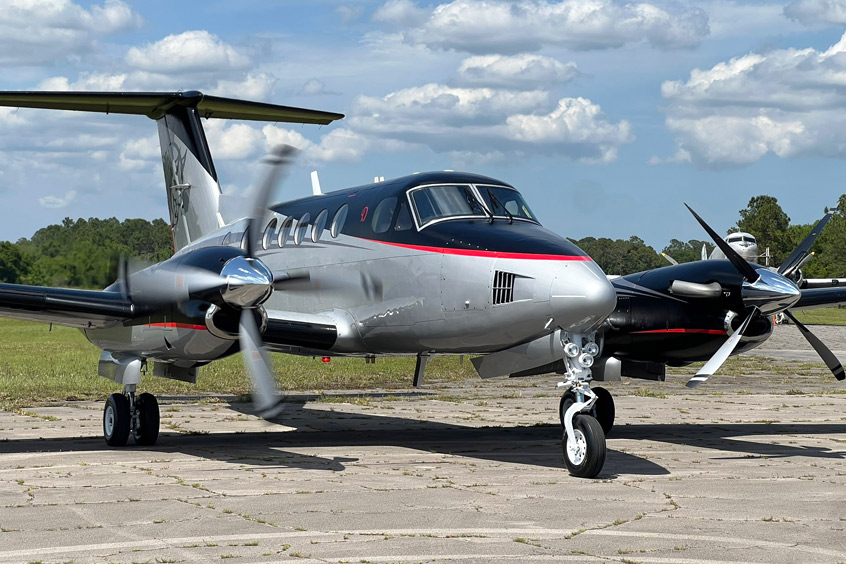

A King Air 200 project was a fun one for Flex Aero to work on. The owner wanted the aircraft to match his Dodge Charger, as both aircraft and the car were going to be sold together as a package. “It was an interesting concept,” says CEO Sabrina Satler, “because the an automotive look had to be translated into an aircraft design while still respecting the lines and proportions of the King Air.”
Flex Aero Aircraft Painting & Interior is based at DeLand airport in Florida and specialises in complete aircraft strip and paint projects, interior refurbishments and custom paint designs for a wide range of aircraft. The family owned and operated business and has just celebrated its 20th anniversary.
“The Beechcraft King Air 200 is one of the most recognisable turboprop aircraft and, because of its classic fuselage shape and large tail surfaces, it provides a great canvas for custom paint designs that highlight its natural lines,” Satler says.
For this project, the scheme used a combination of metallic finishes with matte black accents, creating strong contrast and depth across the aircraft. Working with both metallic and matte paints requires a lot of precise preparation and attention to detail. Metallic paints tend to highlight any imperfections in the surface, and matte finishes cannot be polished or corrected the way gloss finishes can, so the surface preparation has to be extremely consistent.
The aircraft was chemically stripped before the refinishing process began, which allowed the team to fully inspect the aircraft surface and properly prepare it for primer and paint.
After stripping, the aircraft went through extensive surface preparation including sanding, masking and correction of any imperfections, before the coatings were applied. Maintaining the crisp separation between the metallic areas and the matte black elements required careful masking and precise timing during the paint process.
“The goal is always to achieve clean design lines and consistent colour across the aircraft while ensuring the durability required for operations,” she adds. “Overall, this project turned out beautifully and was a great example of how a client’s personal vision can be translated into a unique aircraft paint scheme.”
Miss July 2026
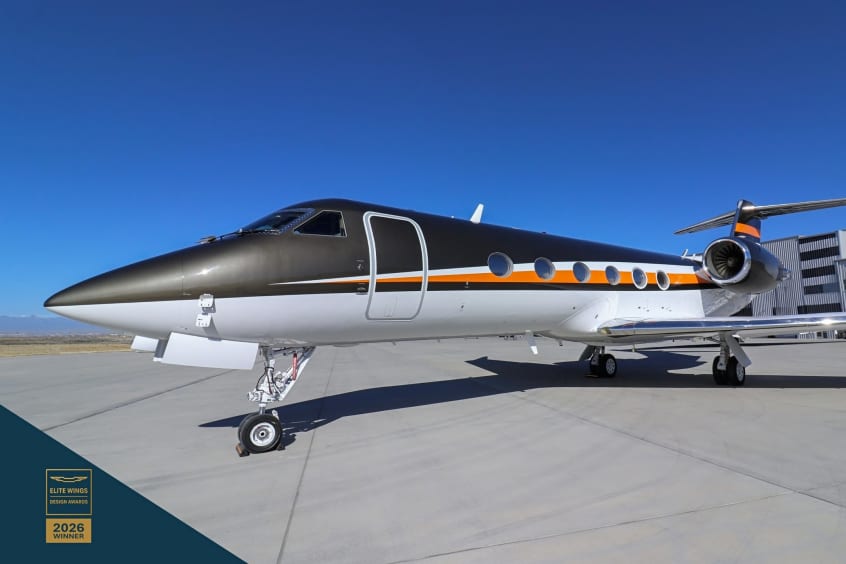
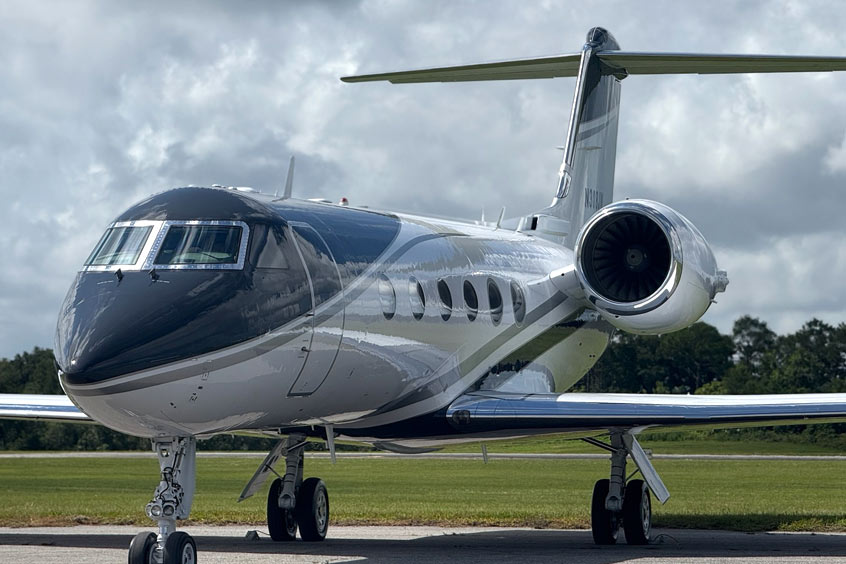
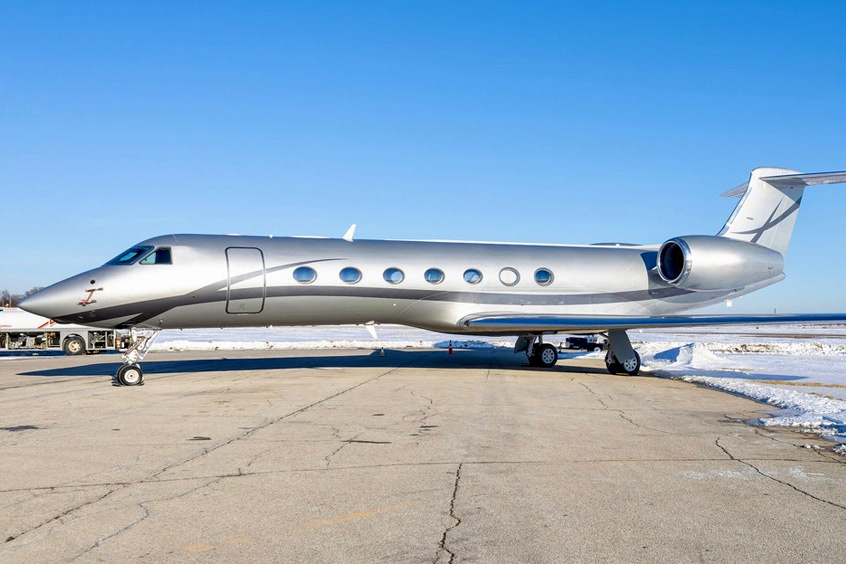
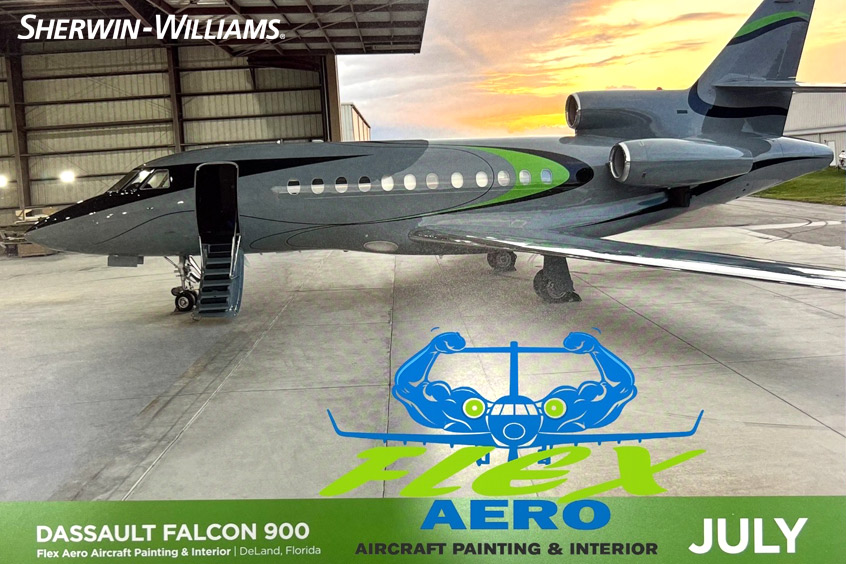
A Falcon 900 recently received a complete exterior refinishing, from initial paint removal through to the final application of a custom-designed livery. The scope of work included stripping the existing coatings, performing detailed surface preparation and inspections, treating any areas requiring corrective work, applying high-performance aerospace primers and finishing with a premium polyurethane paint system. “Every stage of the project was completed to OEM specifications and stringent quality standards, to ensure both exceptional appearance and long-term durability,” notes Satler.
The design goal was to achieve clean, elegant lines that naturally complemented the aircraft's profile, rather than overpowering it, and careful attention was given to colour selection, proportion and balance. The resulting project won a place in US paints and coatings company Sherwin-Williams' 2026 calendar for July.
One of the most demanding aspects was the complete removal of the existing paint system while at the same time protecting the aircraft’s underlying structure, but extensive surface preparation ensured an ideal foundation for the new coatings. The team conducted detailed inspections throughout the process, addressing any surface imperfections before moving forward with primer and topcoat application. Thus they maintained exact paint thickness, colour consistency and crisp separation lines at every stage.
The aircraft was finished using aerospace coating systems selected for their exceptional gloss retention, UV resistance and long-term performance. Modern application techniques and controlled environmental conditions allowed the team to achieve a highly durable finish while reducing material waste and maximising efficiency. The result will maintain its appearance and protect the aircraft for years of service.
Every aircraft presents its own unique challenges, but each also provides an opportunity to demonstrate the level of craftsmanship and attention to detail that defines the work of a completions company. This project exemplifies the collaboration between skilled technicians, designers and quality control professionals, resulting in an aircraft that is not only beautifully finished but protected for years to come.
“A quality aircraft paint finish is about much more than appearance; it is the culmination of hundreds of hours of preparation, precision and craftsmanship,” says Satler. “When the aircraft leaves our facility, we want it to represent the highest standards of our industry and give our customer confidence and pride every time it takes flight.”
Side by side
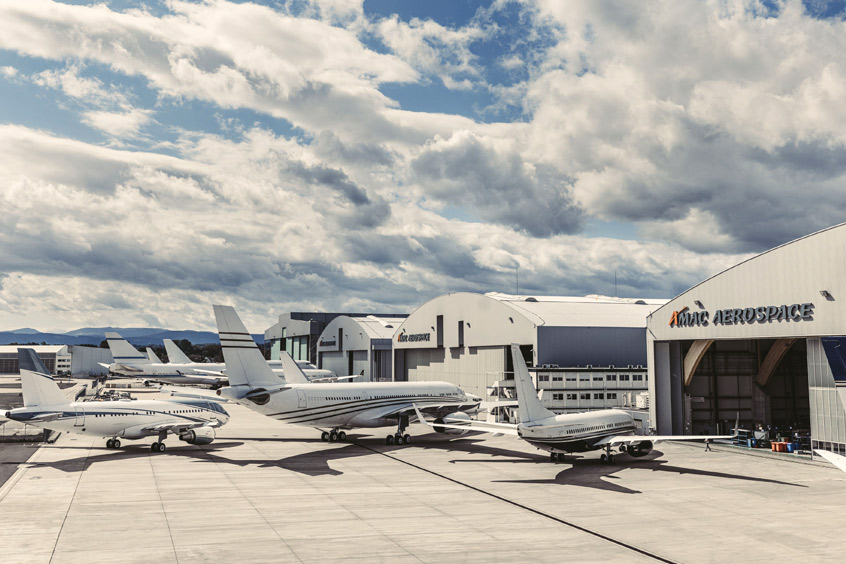
That level of collaboration certainly extends to Basel Airport-based AMAC Aerospace, which delivered the first fully completed Airbus A350 in a VIP configuration, developed alongside an external design studio appointed directly by the customer. In today’s VIP aviation landscape, aircraft completion projects must translate a client’s vision into a coherent airborne experience, and manager of interior design Christelle Dietsch says: “This project highlights the importance of aligning multiple stakeholders around a shared vision while ensuring seamless execution at every stage.”
The scope of work encompassed full cabin completion, from initial layout development and system integration to the final detailing of interior elements. What distinguishes modern completions is not only the level of customisation but also the need to harmonise multiple stakeholders: client representatives, external designers, engineers and completion specialists. This dynamic requires a design approach that is both flexible and disciplined, ensuring that creative intent is preserved while meeting the rigorous demands of certification and performance.
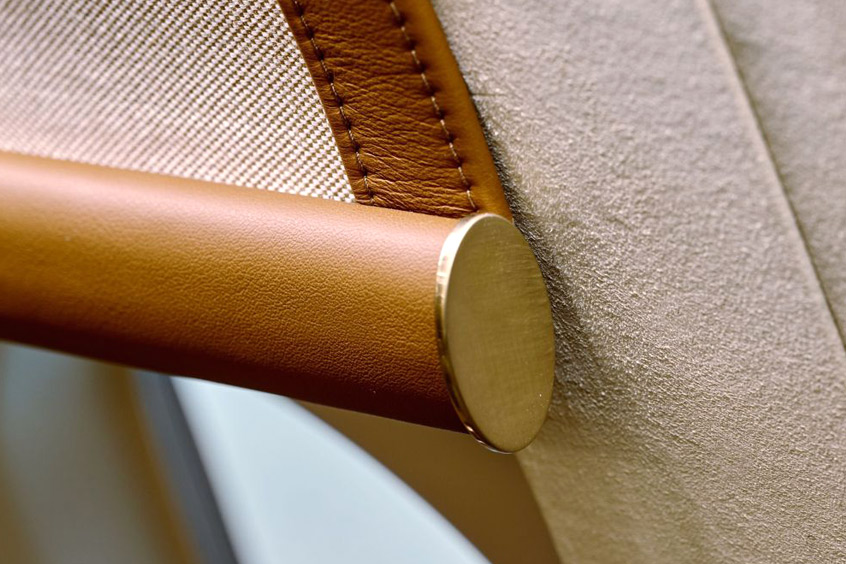
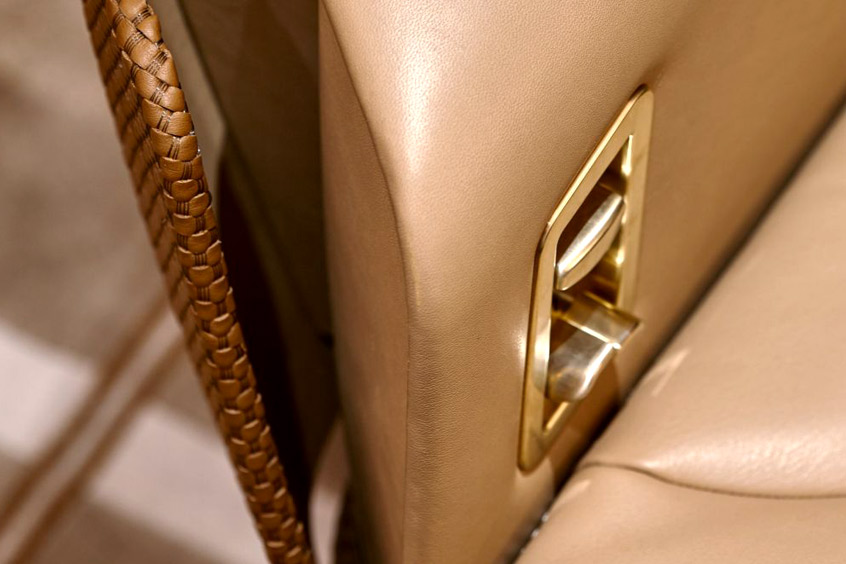
A key design theme emerging across AMAC’s recent projects is the pursuit of seamless simplicity, with clients increasingly drawn to interiors that feel calm, intuitive and visually uncluttered. This does not imply a reduction in capability, as today’s cabins are more technologically advanced than ever, rather the emphasis lies in concealing complexity. Lighting, entertainment, connectivity and environmental control systems are fully integrated yet remain discreet.
“From a technical standpoint, one of the most notable challenges lies in adapting existing technologies for aviation use,” notes Dietsch. Many solutions available on the market, whether related to smart home systems, advanced materials or digital interfaces, were not originally designed for aircraft environments. The process of integrating these elements requires significant engineering effort, from ensuring compliance with strict aviation regulations to managing weight, power consumption and system interfaces. Success depends on close collaboration between design and engineering teams, as well as strong partnerships with specialised suppliers.
Innovation, therefore, is often less about inventing entirely new technologies and more about intelligently applying proven solutions within a highly constrained environment. This approach extends to material selection, where lightweight composites, advanced finishes and sustainably sourced elements are increasingly in favour. Interest is also growing in sustainability, prompting the integration of more responsible materials and energy-efficient systems wherever feasible.
Client input remains the defining force behind each AMAC project. Whether working directly with an owner or through an external design studio, the brief typically emphasises comfort, ease of use and a sense of continuity throughout the cabin. The concept of a smooth experience frequently guides decision-making, influencing everything from spatial organisation to interface design. The result is an environment where transitions between the different zones of work, relaxation and dining are fluid and intuitive.
Ultimately, the role of the completion specialist is to bridge vision and reality: to take a design concept, often developed collaboratively, and bring it to life within the unique constraints of aviation.
Dietsch explains: “Today’s VIP completions are defined by collaboration and clarity of purpose. Our role is to ensure that even the most complex technologies and requirements come together in a way that feels simple, seamless and entirely tailored to the client’s expectations.”