


 The bimonthly news publication for aviation professionals.
 Read this story in our September/October 2026 printed issue.
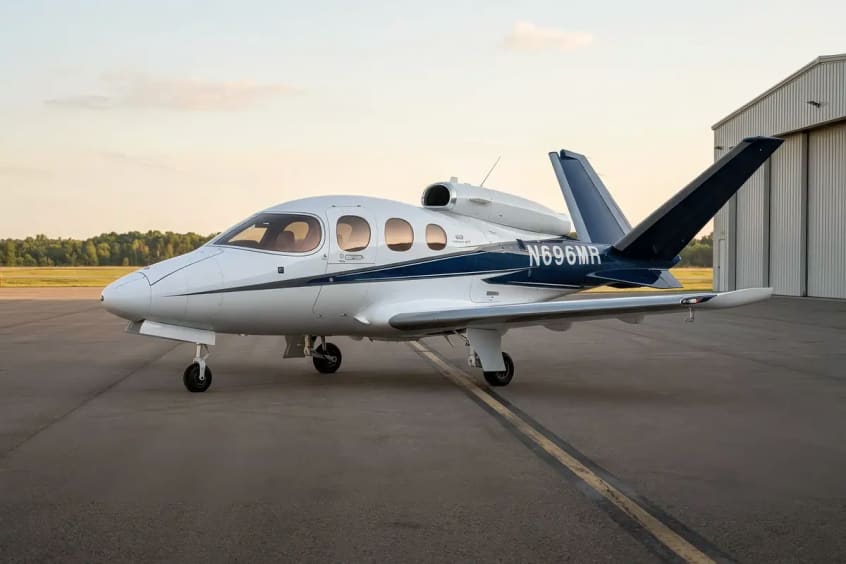
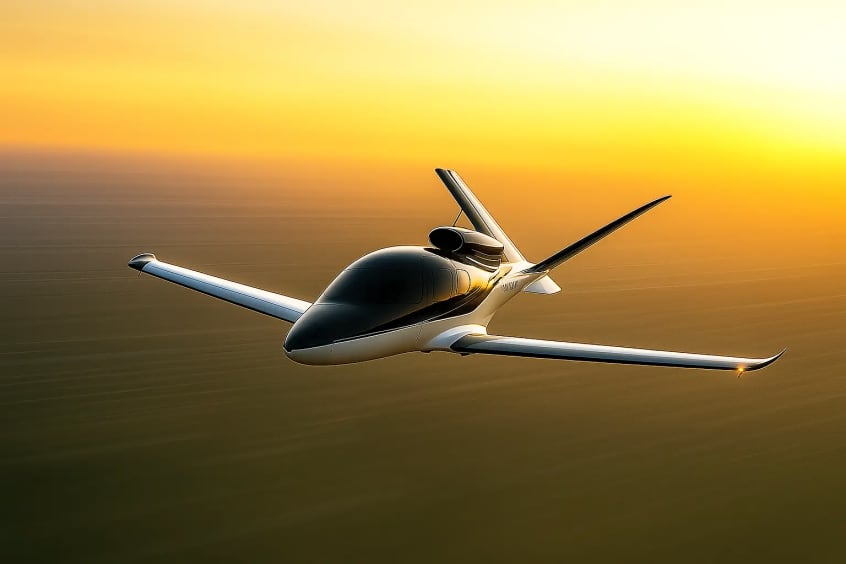
Flyte has fitted its fleet of Cirrus Vision Jets with LifeVac’s airway clearance device, extending its safety programme from the flight deck into the cabin.
LifeVac is the first suction anti‑choking device to receive FDA De Novo authorisation, cleared as a second‑line treatment after standard choking‑rescue protocols. The device is non‑powered, non‑invasive and single‑use, and has been credited in more than 6,200 reported choking rescues worldwide.
Flyte operates a single‑type fleet built around the Cirrus Vision Jet, standardising aircraft, maintenance procedures and pilot training across its operation. The LifeVac device joins a safety suite that includes the Cirrus Airframe Parachute System (CAPS), a whole‑airframe parachute fitted only to the Vision Jet among civilian jets; Safe Return emergency autoland technology, which can navigate, communicate with air traffic control and land the aircraft if a pilot becomes incapacitated; and Garmin avionics with Synthetic Vision, terrain and traffic awareness, Electronic Stability Protection, Envelope Protection and Emergency Descent Mode.
Marc Sellouk, founder of Flyte, says: “Safety isn’t one feature. It’s a system, and it’s our foundation. We chose the Vision Jet, standardised our fleet and built our training, maintenance and procedures around it for one reason: to protect the people on board.”
Arthur Lih, founder and CEO of LifeVac, adds: “Choking emergencies happen fast, and when you are in the air, there is no one to call. By pairing LifeVac’s airway clearance technology with the Vision Jet’s safety systems, we’re helping create one of the most comprehensive safety platforms in the skies.”
Flight operations are conducted through Flyte’s subsidiary, Ponderosa Air, LLC, an FAA‑certified Part 135 air carrier. The addition comes as Flyte continues to grow its network and fleet of Vision Jets.