 The bimonthly news publication for aviation professionals.
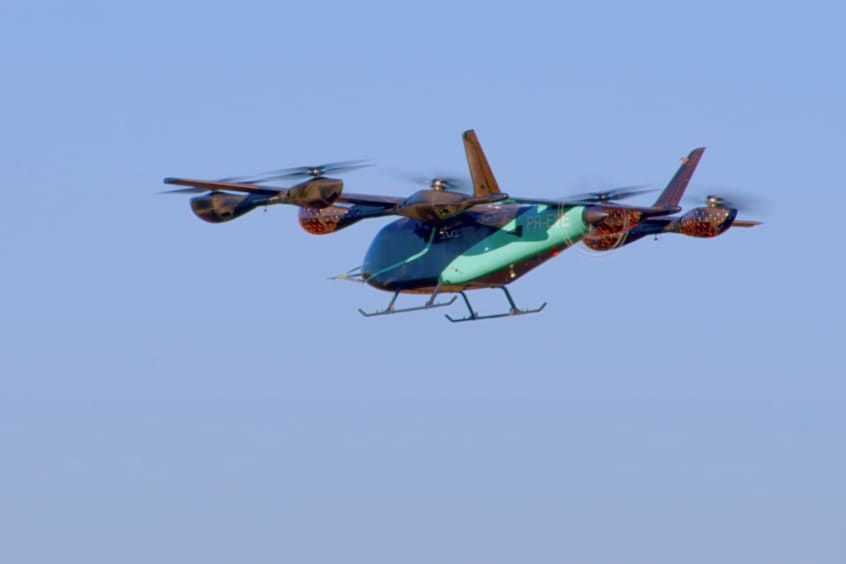
Electra has signed a memorandum of understanding with the UrbanV-Signature Aviation infrastructure platform to build a regional mobility network around its EL9 Ultra Short aircraft, combining UrbanV's vertiport development and operations capability with Signature Aviation's global network of private aviation terminals.
The nine-passenger EL9 is designed to take off and land within 150 feet, allowing operations from small, distributed sites rather than conventional runways. The concept, which the companies call ‘Direct Aviation', targets routes of roughly 50 to 265 flying miles, an area Electra says accounts for 35 million passenger trips a day by car and 1.6 trillion passenger-miles annually in the US, with more than 80 per cent of these journeys currently lacking a practical air option.
Diana Siegel, vice president, commercial programmes at Electra, says: “Electra's Direct Aviation Market Outlook shows that tens of millions of regional trips are already happening every day across distances where driving is inefficient and traditional aviation is often impractical.”
Under the MOU, the three partners will jointly identify and develop Ultra Short access points along these demand centres, working towards site-specific term sheets. Electra estimates the model will require 12,000 to 16,000 aircraft over its first ten years of operation, with the partnership designed to be repeatable across geographies for both passenger and cargo use.
Marc Allen, chief executive of Electra, adds: “Aviation is entering a new era, where capabilities that weren't possible before are now fundamentally changing how we move. It will slash travel times by hours, changing how people live, work and play.”
Electra's Outlook identifies more than 6,000 routes carrying over 1,000 travellers a day, including 1,851 routes offering more than an hour of potential time savings, 540 offering more than two hours and 227 offering more than three hours. The company groups demand into four categories, intercity connectors, leisure launchpads, airport feeders and small community service, clustered into regional mesh networks across areas including the Northeast Corridor, the Texas Triangle, Southern California, Florida and the Midwest.