


 The bimonthly news publication for aviation professionals.
 Read this story in our September/October 2026 printed issue.
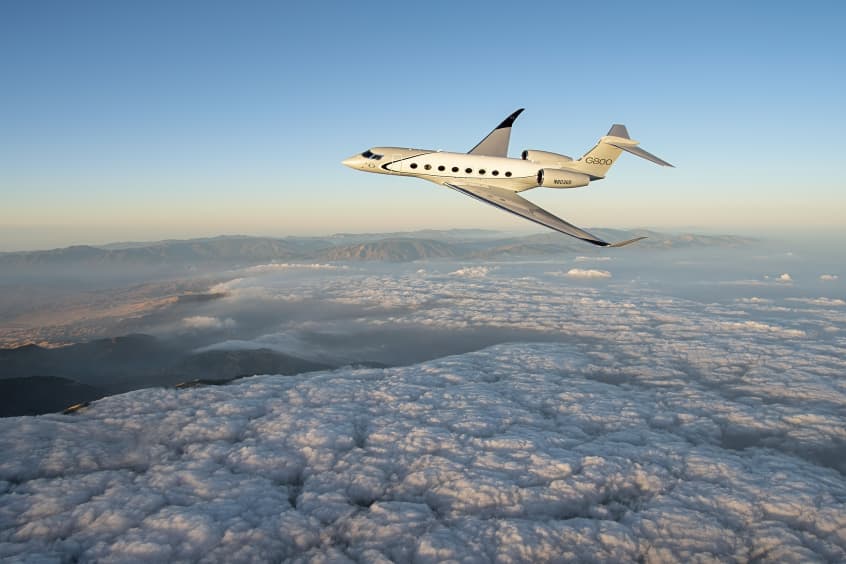
Gulfstream Aerospace has completed a high-altitude flight test campaign using 100% sustainable aviation fuel in a Gulfstream G800 powered by Rolls-Royce Pearl 700 engines.
The campaign, which included the first G800 flight using neat SAF, examined its potential to reduce the particulate emissions associated with contrail formation at altitudes of up to 50,000ft.
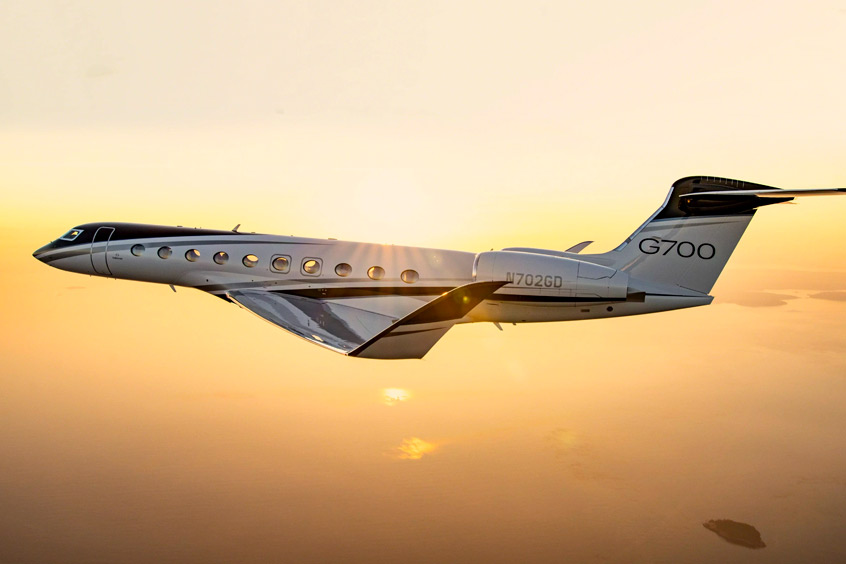
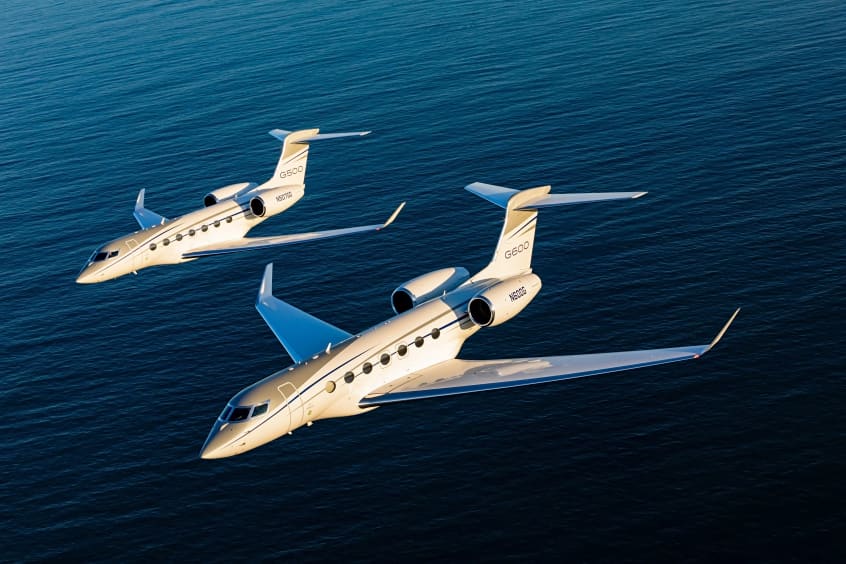
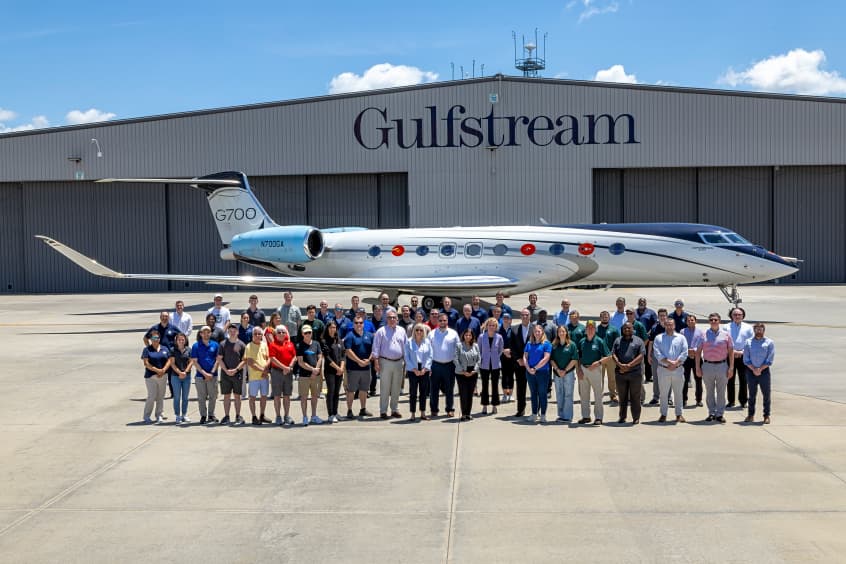
The G800 flew in formation with a modified Pearl 700-powered G700 fitted with emissions-measurement equipment. Researchers used the aircraft to collect real-world data on particulate matter and atmospheric conditions both close to the G800 and several miles behind it.
The team compared conventional Jet A, low-sulphur Jet A and hydroprocessed esters and fatty acids SAF containing no sulphur or aromatics. Preliminary results indicate a significant reduction in contrail-forming particulate emissions when using neat SAF.
The campaign was led by Gulfstream in collaboration with the FAA, NASA, the German Aerospace Center, Missouri University of Science and Technology, Rolls-Royce, Aerodyne Research, Montana Renewables and World Fuel Services.
Alan Newby, director of research and technology at Rolls-Royce, says: “The valuable insights we have gained from these latest tests at high altitudes are driving real progress in understanding aviation’s non-CO2 climate impacts and potential mitigation options.”
The data will be used to refine analytical models, inform future fuel standards and support the development of operational strategies intended to reduce aviation’s environmental impact.
Rolls-Royce says all its in-production Trent and business aviation engines are compatible with 100% SAF. The fuel is currently certified for blends of up to 50% with conventional jet fuel.
The findings build on Gulfstream's earlier SAF work, including the industry's first trans-Atlantic flight using SAF in one engine in 2011 and the first trans-Atlantic flight powered by 100% SAF in 2023. Gulfstream aircraft have flown more than 3.5 million nautical miles on SAF blends to date.