



• Carlos Aviation Catering Network
• Professor Java's Concierge Services
BAN's World Gazetteer
• Mexico The bimonthly news publication for aviation professionals.
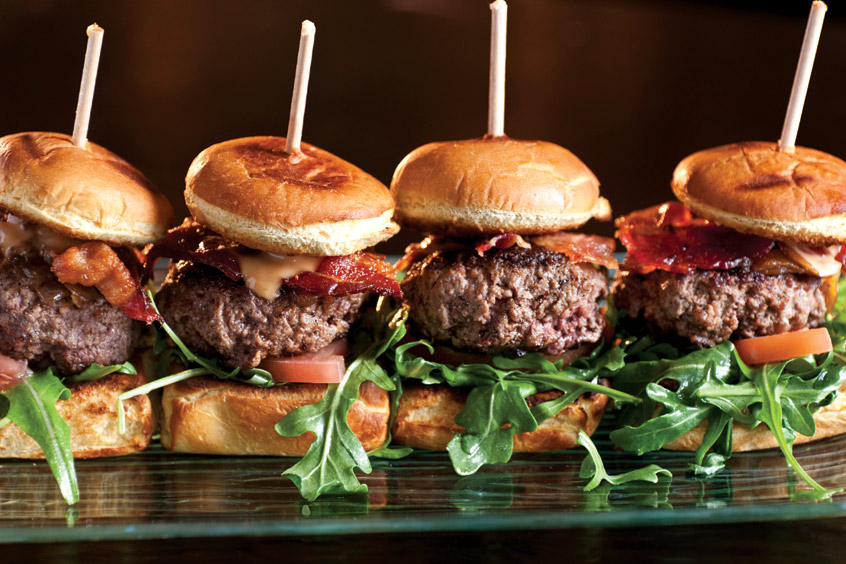
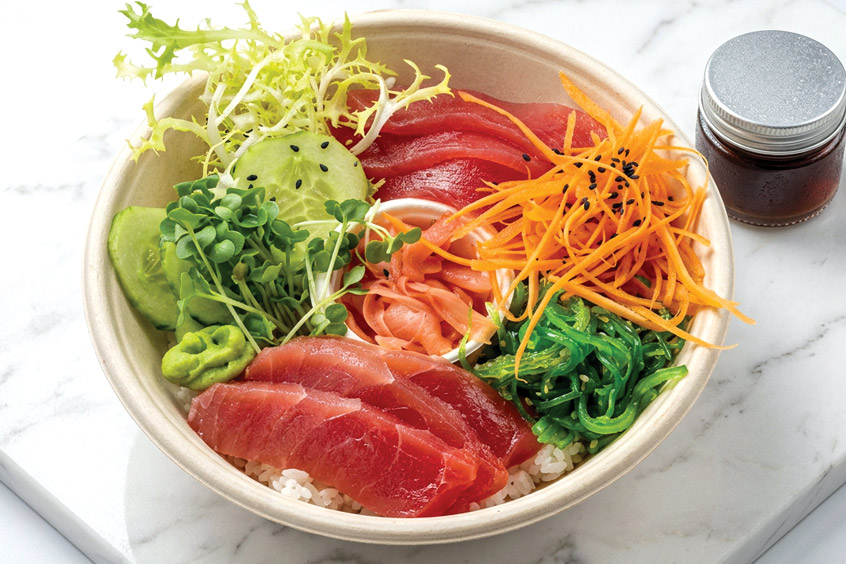
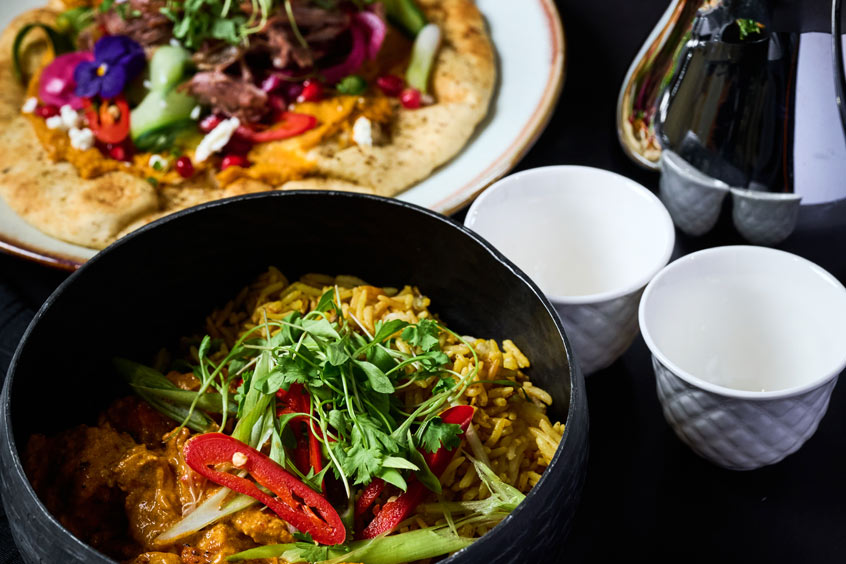
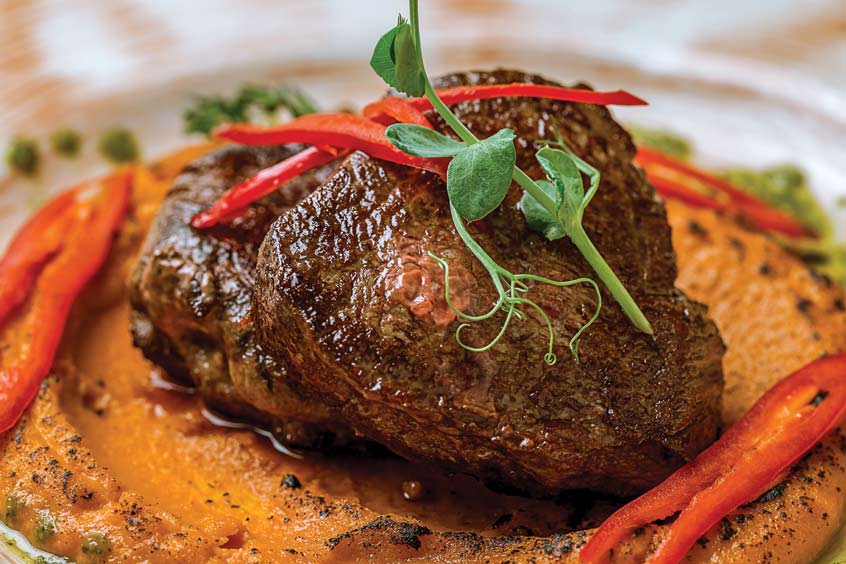
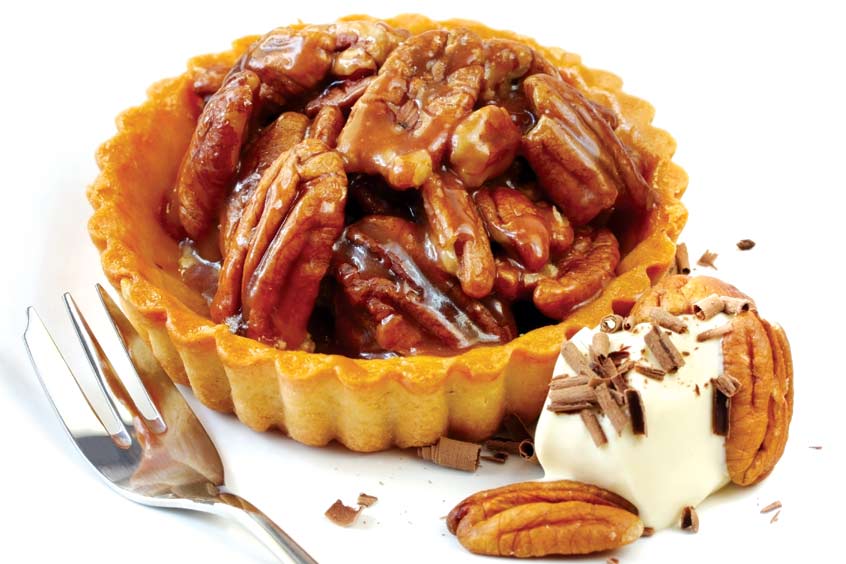
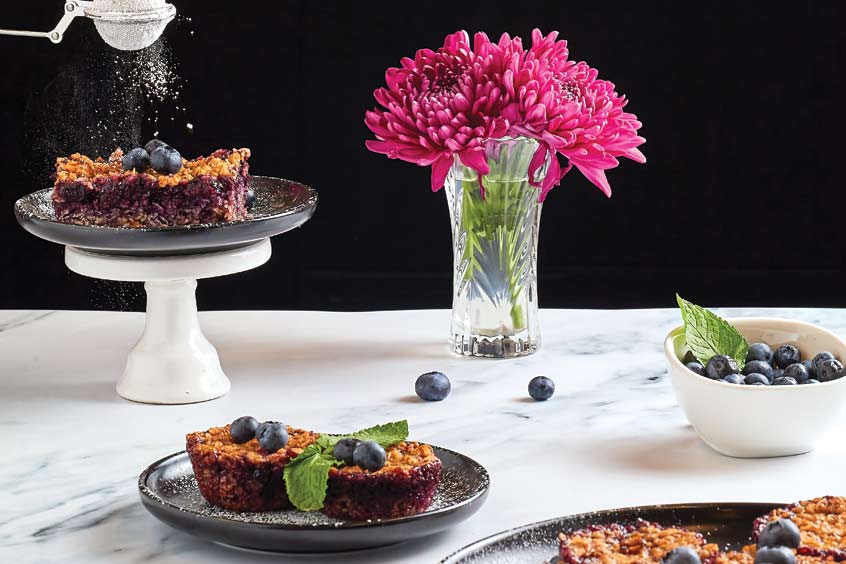
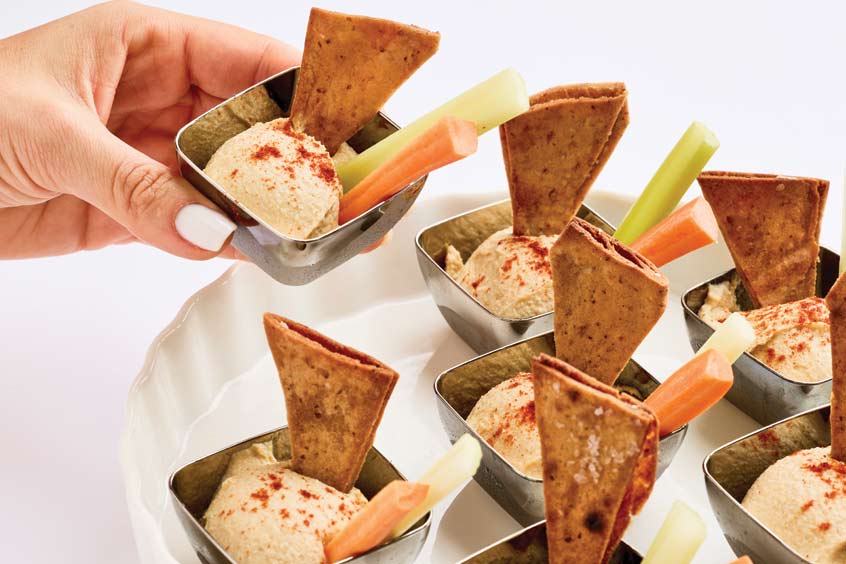

Tastes are changing within the cabin. Food trends, by their very nature, tend to wax and wane, but only a few ever make it into the world of private aviation. Here, culinary preferences are driven by practicality, quality and personalisation, and the type of meal served on board often depends on the purpose of the flight.
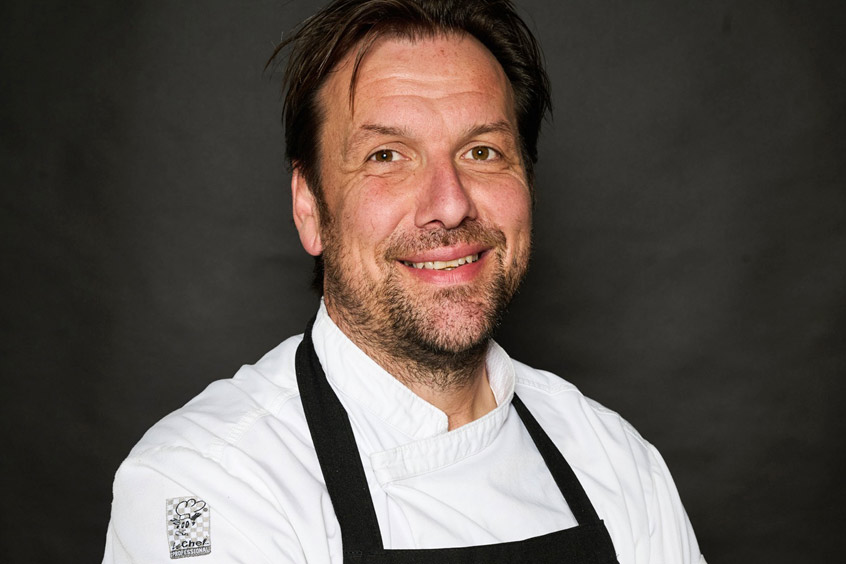
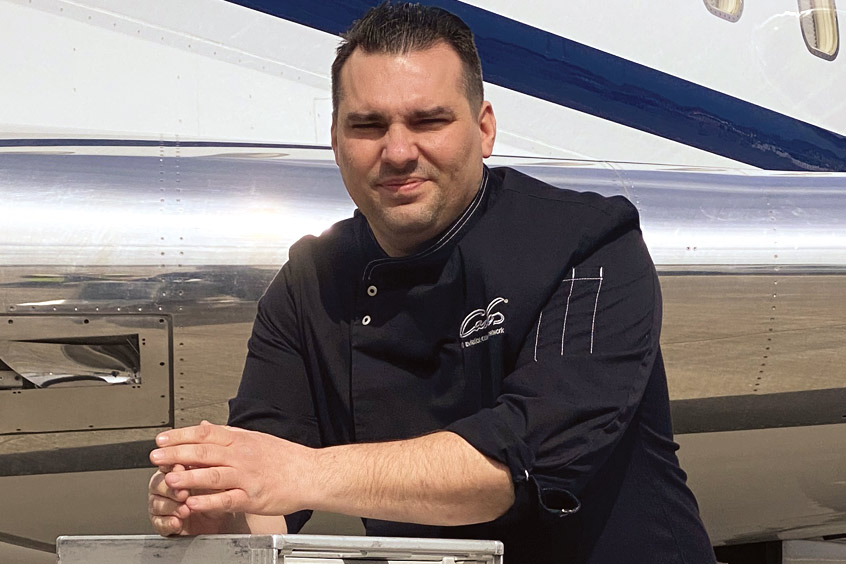
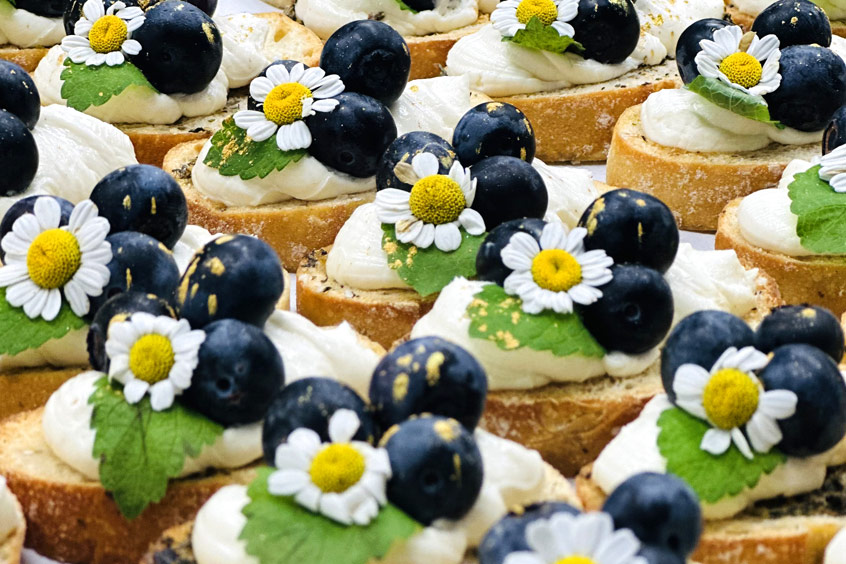
“During business trips, passengers typically prefer light and convenient options that can be enjoyed between meetings or during shorter flights: canapes, freshly cut fruit, premium salads with seafood or light pasta dishes,” says Martin Henschel, CEO of Carlos Aviation Catering Network in Germany. There is growing demand for healthy and balanced meals, with a rising interest in nutrient-rich ingredients, innovative recipes and thoughtfully designed menus that support a healthy lifestyle.
Passenger tastes may be evolving towards smaller portions, but the food does not have to be fussy. Frank Figliomeni, owner of New York-based Professor Java's Concierge Services, notes: “There seems to be a misconception with private jet clients that wealthy means more complex menus. Not so.”
Finger foods are in demand, as is healthy mediterranean food. Sandwiches and chips with side salads are still a very popular menu item, but now his clients want wheat and wholegrain breads. No messy foods, though, with those tomato or cream sauces that can drip onto that sweet spot on a white shirt.
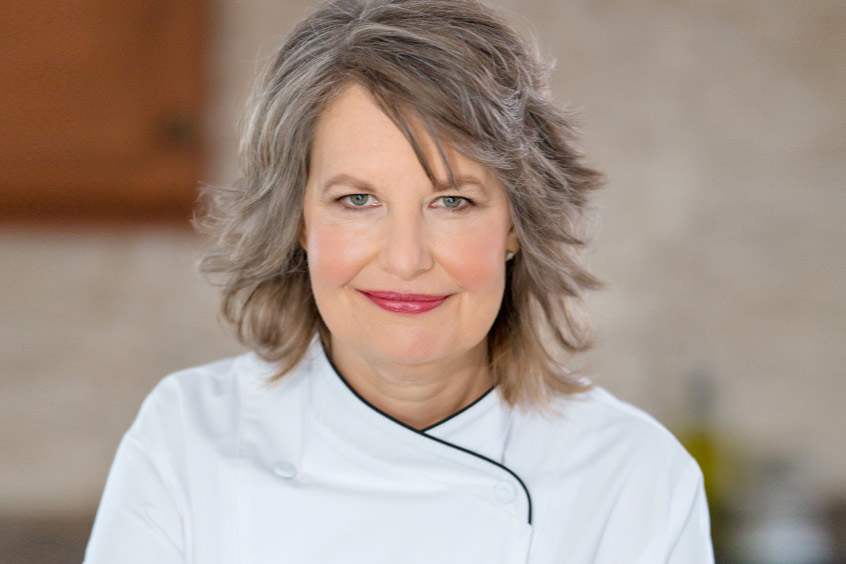
The culinary aspect of a flight has become an extension of the overall travel experience according to former physical therapist and chef Deb Oxman, founder and owner of Savor Culinary Services in Texas. Today’s passengers aren’t simply looking for convenience or luxury: they expect a dining experience that reflects their lifestyle, health goals and personal preferences. She has seen a significant shift from accommodating dietary restrictions to proactively designing menus around performance and nutrition. “Many of our clients aren’t just asking what tastes good,” she says. “They’re asking how they’ll feel after they land.” They increasingly view food as part of their performance strategy and circadian rhythm. They want menu offerings that provide sustained energy, mental clarity and comfort while minimising inflammation and the fatigue often associated with travel.
That food should do more than satisfy hunger and should enhance how people feel is increasingly relevant now that clients are placing a greater emphasis on wellness. There is growing demand for organic ingredients, grass-fed and pasture-raised proteins, wild-caught seafood, fresh seasonal produce and the elimination of seed oils in favour of healthier fats. “Clients are asking more questions about ingredient sourcing than ever before, because they understand that quality matters,” she adds.
Customisation has also reached an entirely new level, and the company routinely creates menus for clients with highly specific medical and dietary requirements. That may include preparing completely oil-free vegan cuisine, designing anti-inflammatory menus, accommodating complex food allergies or creating meals for passengers with medical conditions such as Parkinson’s disease. “Something as simple as slicing proteins into bite-sized pieces to eliminate the need for a knife or thickening soups and beverages to make swallowing safer can dramatically improve their travel experience,” she notes. The ability to combine clinical nutrition considerations with exceptional culinary execution is becoming increasingly valuable.
Sloan Ross, co-owner of Fly Guys Catering in Florida, believes the most dramatic evolution has been seen in the personalisation of food offerings. “Today’s passengers expect us to remember their preferences, from how they like their coffee prepared to favourite wines and snacks, dietary restrictions, allergies and plating styles,” she says.
With travellers requesting nutrient-dense meals designed to support energy levels, hydration and wellbeing during flights, David Humphreys, culinary director of Niche Bespoke Group in the UK, adds: “We have tailored parts of our menus to offer health shots, organic beverages, low carbon footprint meal options and protein substitutes utilising grains and pulses, and consulting nutritionists to develop organic nutrient-balanced options.”
Clients and brokers now ask him about ingredient sourcing, packaging and food waste reduction. The company is responding by incorporating locally sourced produce, seasonal ingredients and reusable or recyclable packaging where possible.
Sustainability, too, is more important than ever, and Ross notes: “In aviation, practicality must always balance sustainability, but we’re seeing growing appreciation for suppliers who make environmentally conscious decisions without compromising food quality or presentation.”
Beauty is in the tray of the seat holder
Casey Crosby, owner and experience specialist at Chupper Time Catering in Alabama, spends a great deal of time thinking about the flight attendant. “If I can fully build a dish before it leaves our kitchen, I do,” she says. If assembly is required on board, every component is carefully packaged and organised to make service seamless. She even sketches each presentation beforehand so the finished plate looks exactly as she envisioned it.
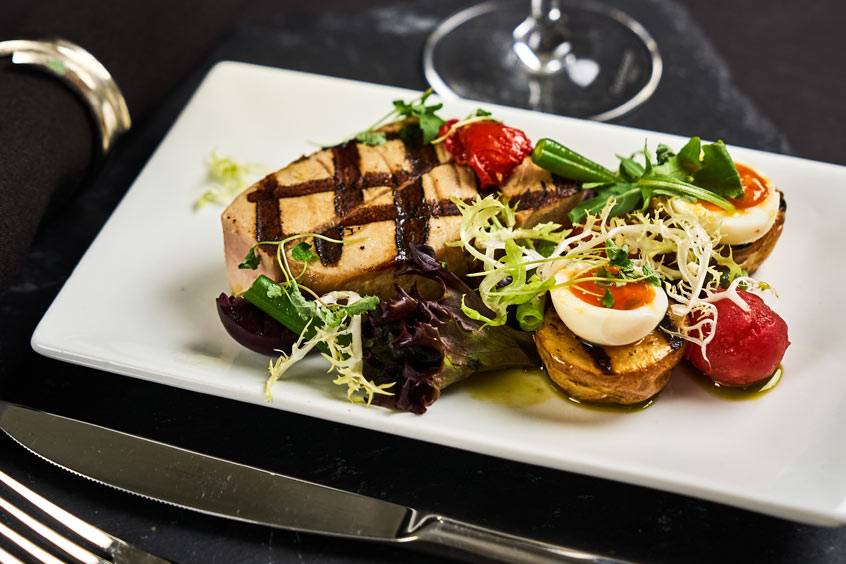
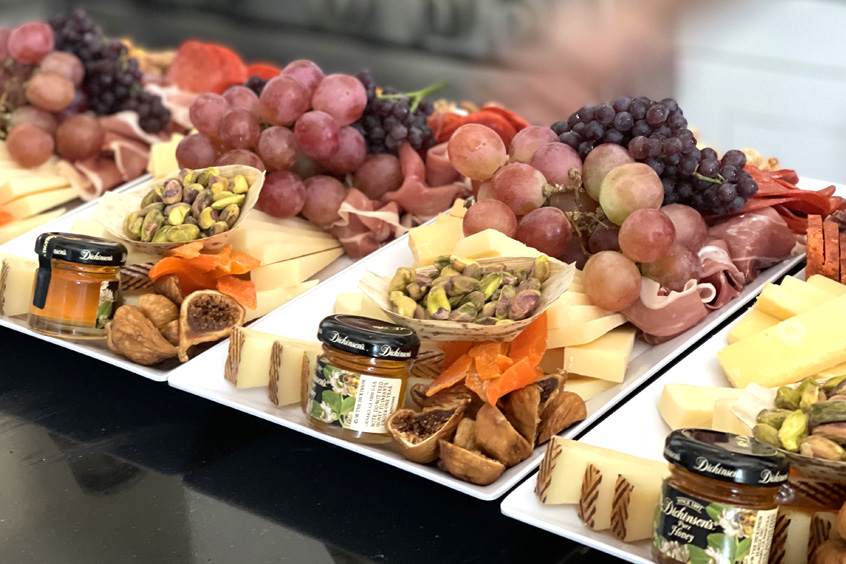
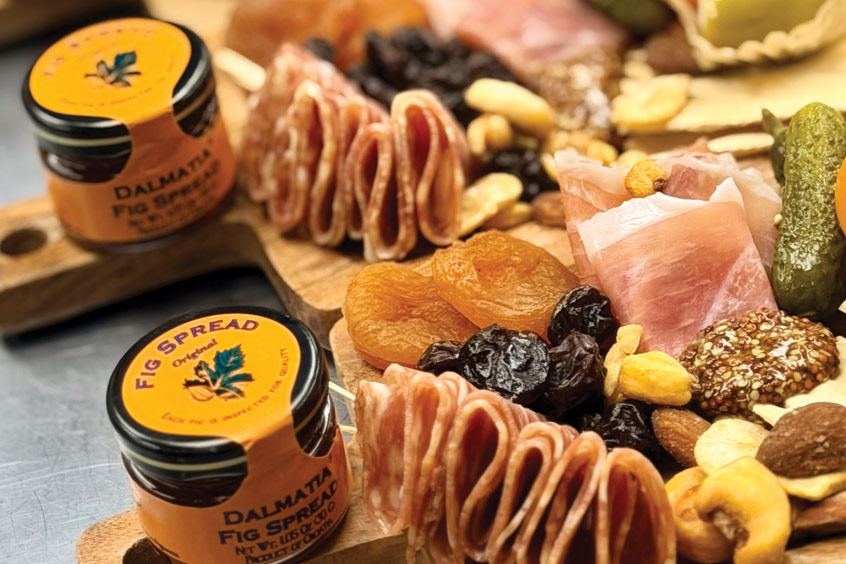
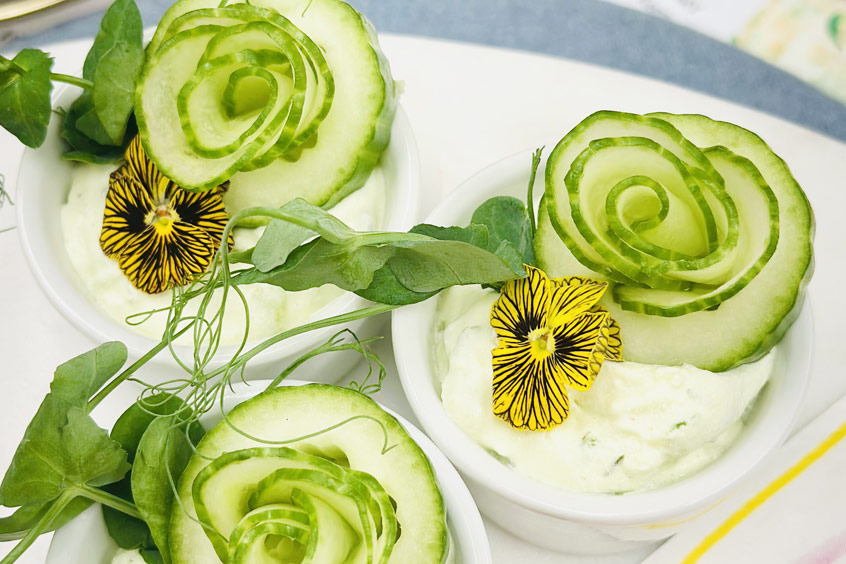
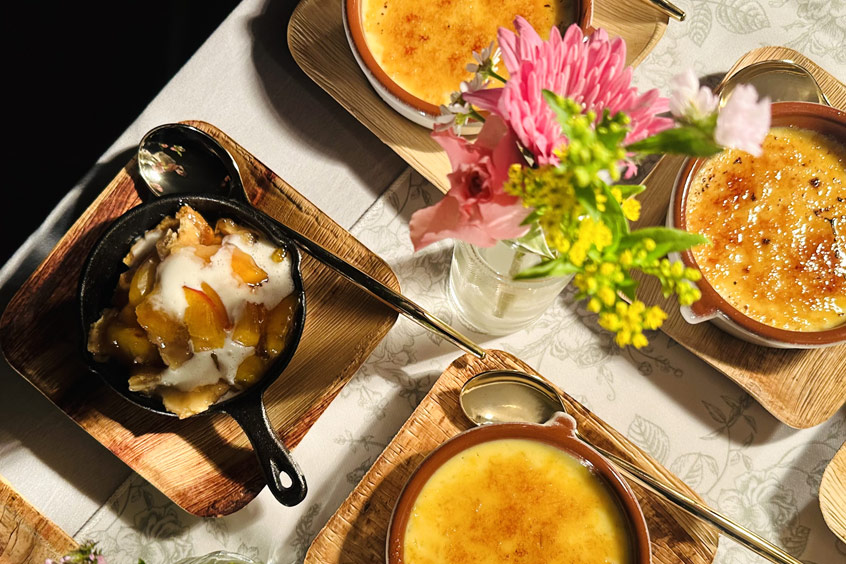
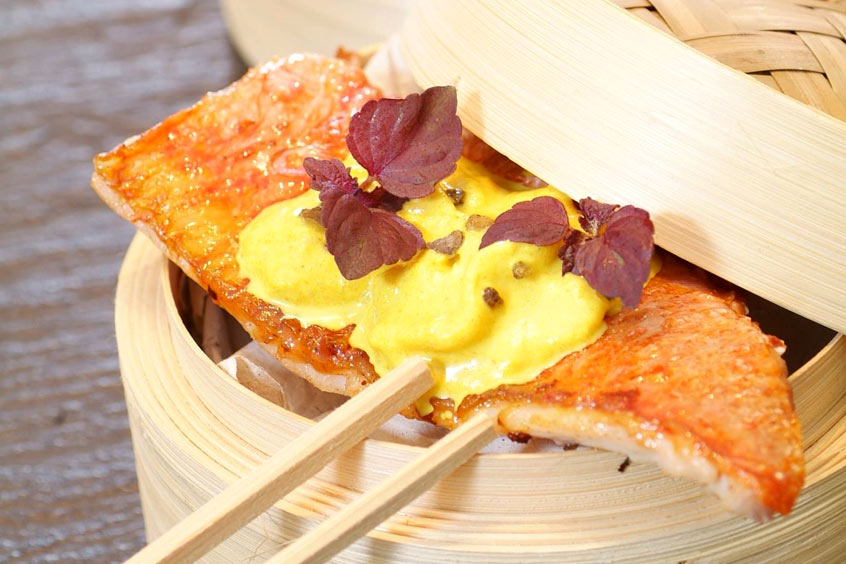
Elevated presentation must work within the constraints of aviation. Beautifully composed salads, deconstructed dishes that plate perfectly inflight, premium grazing boards and individually portioned appetisers have become increasingly popular according to Ross, who has had her share of unique requests as well. She has created menus inspired by destinations that clients are visiting or their favourite restaurants and sourced very specific international ingredients at short notice. And many are the times she has accommodated multiple dietary preferences within a single flight: “One passenger may request a high-protein ketogenic breakfast while another prefers a completely plant-based menu, all departing on the same aircraft,” she notes.
Dining a la Michelin-starred restaurant
Aviation caterers continuously explore new ingredients and culinary concepts. “The challenge lies in combining nutritional value with premium presentation and exceptional taste,” says Henschel. Particularly as restaurant food is gaining traction, which presents significant operational challenges for aviation caterers.
Restaurant cuisine is typically designed to be served and consumed immediately after preparation. In contrast, meals intended for private aircraft must withstand transportation, storage and, in many cases, reheating on board. Not every dish maintains its quality, texture or presentation under these conditions.
Furthermore, many restaurants are unfamiliar with the specific requirements of aircraft catering. Packaging must be compact enough to fit into limited galley space while meeting strict hygiene and handling standards. In addition, many fine-dining establishments either do not offer takeaway services or limit them to selected items from existing menus.
Regulatory requirements add another layer of complexity. “In Europe, food supplied for aviation must generally be handled by approved and regulated catering providers, ensuring compliance with strict safety and security standards,” he notes.
Diffusing the tension with chicken
By the time Turks and Caicos FBO Provo Air Center joined the aviation catering scene at the height of the pandemic in 2020, luxury was no longer about champagne and caviar; it was about protecting clients from unwanted contact and unnecessary risks. “Onboard food became focused on immunity boosting and minimal need for preparation by strangers,” says CEO Deborah Aharon.
Today that has developed into a focus on comfort. “We get very few requests for complicated canapes or fantastical presentations requiring tweezers,” she adds. “Our clients want to feel cared for, and so our focus is bistro food: simple preparations of the same dishes you probably grew up eating, providing comfort and familiarity to counter the stresses of travel.”
The FBO’s catering division, PACKitchen, is onsite, and its number-one item is turkey sandwiches. “I’ve always said that a good turkey sandwich could bring world peace, and last year I actually had an opportunity to test my theory,” Aharon recalls. A small jet landed at the FBO carrying some ex-government officials from Haiti, an island in constant political turmoil. The lead passenger had already survived one assassination attempt and, unwilling to chance another, chartered a plane to fly his party to the Turks and Caicos, from where they intended to transfer to a commercial airline and fly to the US. Unfortunately, although all of his documentation was in order, the local immigration official refused him entry, deeming it too dangerous, even for an hour or so. He would have to go back to Haiti in the same plane. He explained that he would be shot upon arrival, and general pandemonium ensued as he begged staff to help him. Meanwhile the officer called for assistance from more senior officers and armed police.
The scene was chaotic and loud when Aharon arrived. She asked the catering division to make a platter of turkey sandwiches and handed them around. Within moments there was peace and quiet, everyone thoughtfully munching. “It gave me time to make the necessary phone calls,” she recalls. “And eventually a US government plane came and took the party safely away.”
Great ingredients make great meals
At the core of every tasty bite is one universal principle: the better the ingredients, the better the final dish will be. The Pickled Beet in South Florida sources the freshest organic, premium ingredients, from locally grown, organic microgreens and fresh citrus to freshly caught seafood and grass-fed meat. It uses pasture-raised poultry, grass-fed beef, lamb from New Zealand, Berkshire pork, wild-caught seafood and healthy non-seed cooking oils. “It’s a difference you can taste,” says founder and CEO Elizabeth Willard. “And it’s good for you.”
Ultimately, inflight catering is becoming more personalised and health-conscious. “While luxury remains central, today’s passengers increasingly define luxury as having exactly what they want, prepared to exceptional standards and tailored specifically to their needs,” finds Niche & Bespoke’s Henschel.
Food is a fundamental part of their journey and passengers want a memorable experience. Julio Cesar Pacheco Parra, chef and project coordinator at Asti in Mexico, has seen significant growth in requests for vegetarian, vegan, fruitarian, low-carbohydrate and wellness-focused options, but he too has learned that luxury does not necessarily mean complexity: “High-profile passengers often request simple dishes executed flawlessly: grilled meat with mashed potatoes, a vegetable omelette or homemade gelatine desserts.”
“Ultimately, luxury today isn’t defined by excess; it’s defined by intentionality,” concludes Oxman. Clients expect exceptional cuisine, flawless execution, transparency in ingredient sourcing and a deeply personalised experience that anticipates their needs. Inflight catering has evolved far beyond simply feeding passengers: it is about creating memorable hospitality experiences that nourish, comfort and perform as beautifully as all other aspects of the private aviation journey.