

• Federal Aviation Administration
• Nimbl
• Safety
BAN's World Gazetteer
• District of Columbia The bimonthly news publication for aviation professionals.

Nimbl, a business aviation manuals and safety management platform, has released a new resource to help Part 135 operators prepare to meet the new requirements of the upcoming mandate by the FAA.
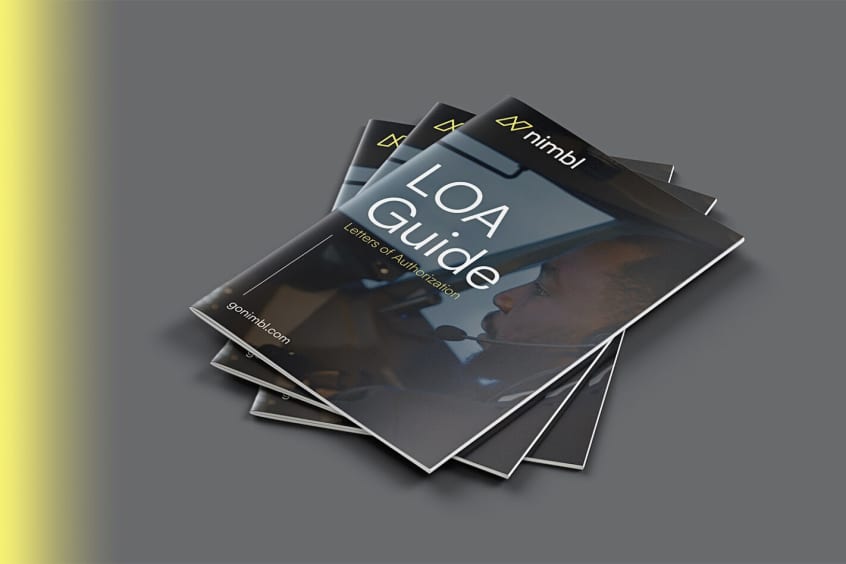
With the new policy just one year away from taking effect, Nimbl has created a Part 135 Mini Guide to support operators as they navigate the complexities of the new mandate. The publication offers a comprehensive month-by-month plan to ensure operators are compliant by the deadline and provides Part 135 operators with a practical roadmap and the tools they need to confidently meet the new requirements of the FAA's mandate on time.
The FAA has updated its 14 CFR Part 5 SMS mandate, evolving the policy beyond reactive compliance and adopting a proactive approach to risk, operations and safety. The policy previously allowed for voluntary implementation of SMS for Part 135 operators. Under the new rules, by May 28, 2027, all Part 135 operators must have a fully operational SMS in place, yet for many operators, implementing SMS in a way that is practical, compliant and scalable to their operation can be a challenge.
“There's a common misconception that implementing SMS needs to be complicated and overwhelming. It really doesn't have to be,” notes Mark Baier, CEO of Nimbl. “By creating a practical, step-by-step mini guide, we're cutting through that complexity and giving operators a better understanding of what it takes to be compliant by the deadline.”
Nimbl's new pocket-sized guide is designed to help demystify that process and assist operators in building an SMS that works in the real world and is customised for their specific operational needs. It lays out a month-by-month calendar of steps, allowing operators to move forward with structure and confidence by prioritising the actions that matter most.
By turning ambiguity into a defined path, the guide will help reduce delays, minimise missteps and help flight departments reach compliance on time without overwhelming already stretched resources of smaller flight teams.
In addition to the mini guide itself, Nimbl will host a webinar: ‘Final Approach: 12 Months to Meet the FAA's Part 135 SMS Mandate’ on Thursday 28 May at 11:00am EST. The experts will walk through the most common challenges operators might face when implementing the system, and answer any questions concerning Part 135 SMS implementation.
“SMS isn't just about compliance, it's about changing how operators think about safety,” continues Baier. “It helps operators shift focus from reacting to problems to identifying and mitigating risks proactively. As an industry, we need to continually assess risk with the aim of always seeking to operate better and safer. The new FAA guidelines mark a significant step in moving toward that change.”
Nimbl's new Part 135 Mini Guide is available for download from the Nimbl website.