 The bimonthly news publication for aviation professionals.
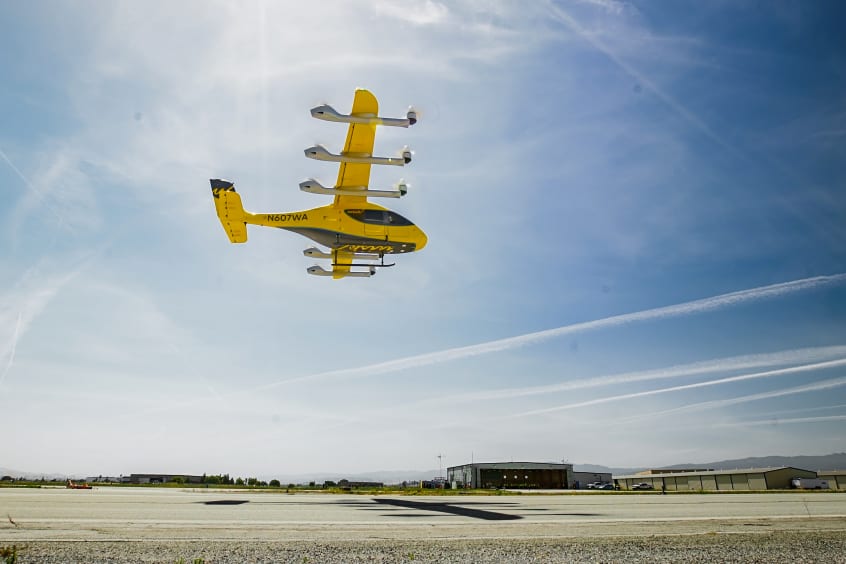
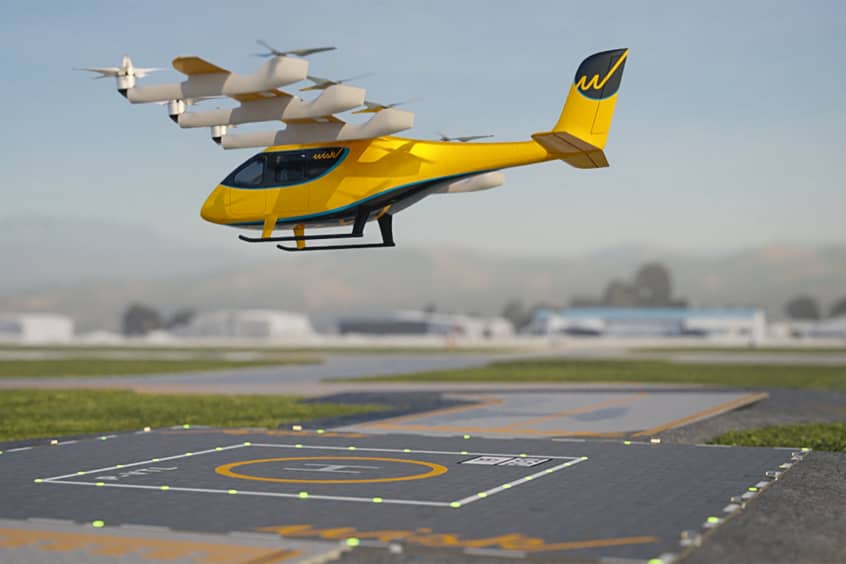
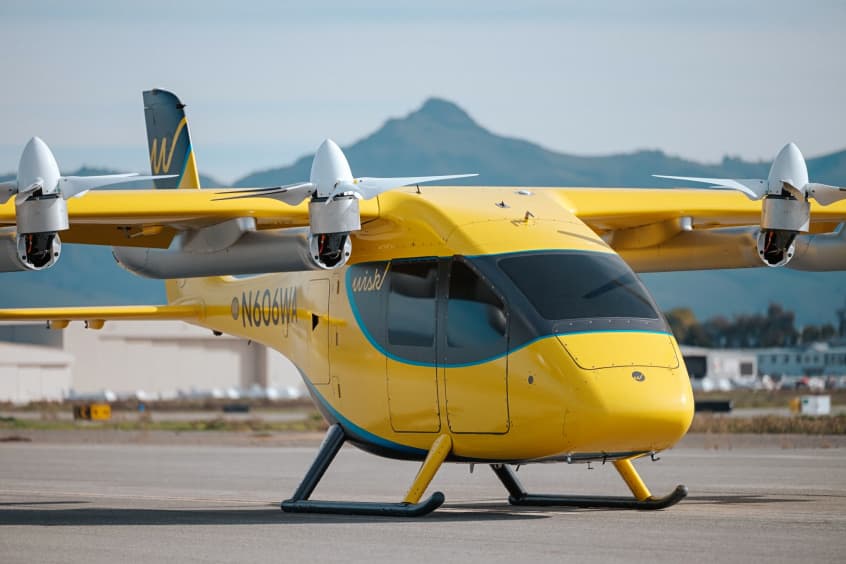
US autonomous aviation company Wisk Aero has completed the successful first flight of its second Generation 6 aircraft. The milestone is a step in Wisk’s flight test programme and scale, coming shortly after the first Gen 6 aircraft started its flight test campaign in mid-December.
Conducted at Wisk’s flight test facility in Hollister, California, the flight included vertical take off, hover and chirp manoeuvres, an important first step in characterising the aircraft’s performance. The addition of a second active Gen 6 flight test vehicle significantly expands Wisk’s capacity to collect data, validate systems and accelerate the flight test campaign.
“Seeing the second Gen 6 aircraft take to the skies is a proud moment for Wisk,” says Wisk CEO Sebastien Vigneron. “This pace of execution is exactly what is required to meet the rigorous safety standards of commercial aviation. Having multiple aircraft in flight testing allows us to move faster, learn quicker and stay on the leading edge of autonomous aviation. Every flight provides crucial data that matures our aircraft and autonomous system, bringing us one step closer to delivering a certified, autonomous air taxi service.”
The dual-aircraft testing phase will focus on expanding the flight envelope, including transitions from hover to wing-borne flight, while continuing to refine the control laws and system performance. Wisk’s Gen 6 aircraft is designed to meet or exceed current commercial aviation safety standards. The aircraft is all-electric and autonomous, with human oversight from a ground-based operator, a model Wisk says is necessary for safety, scalability and affordability.
This increase in flight test capacity supports Wisk’s path to commercialisation, along with the U.S. Department of Transportation’s selection of Wisk’s partner, the Texas Department of Transportation (TxDOT), for the eVTOL and AAM Integration Pilot Program (eIPP). Wisk will use its autonomous systems and aircraft to support the programme’s operational execution, conducting real-world flight operations in the US airspace.
In addition to its work in Texas, Wisk continues to collaborate with the FAA and NASA to support US leadership in AAM.