 The bimonthly news publication for aviation professionals.

New Horizon Aircraft, dba Horizon Aircraft, has purchased the PT6A engine from Pratt & Whitney Canada.
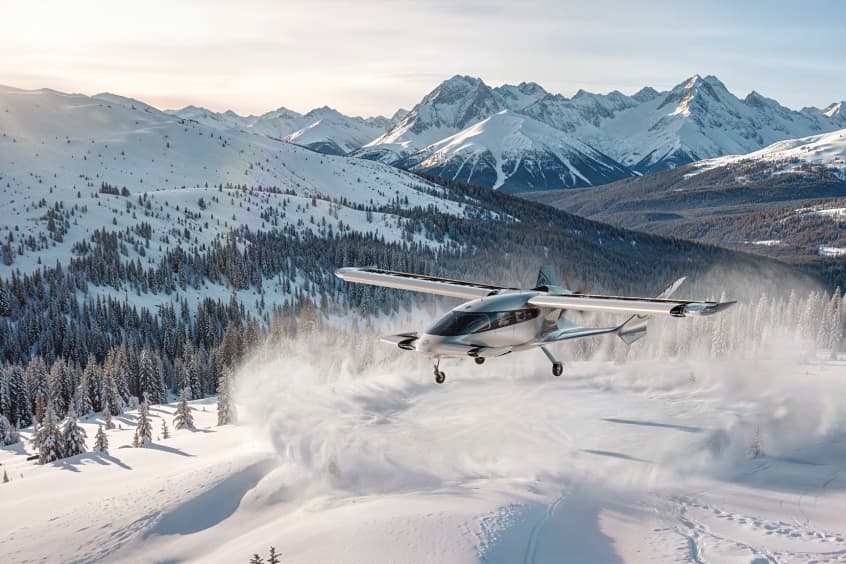
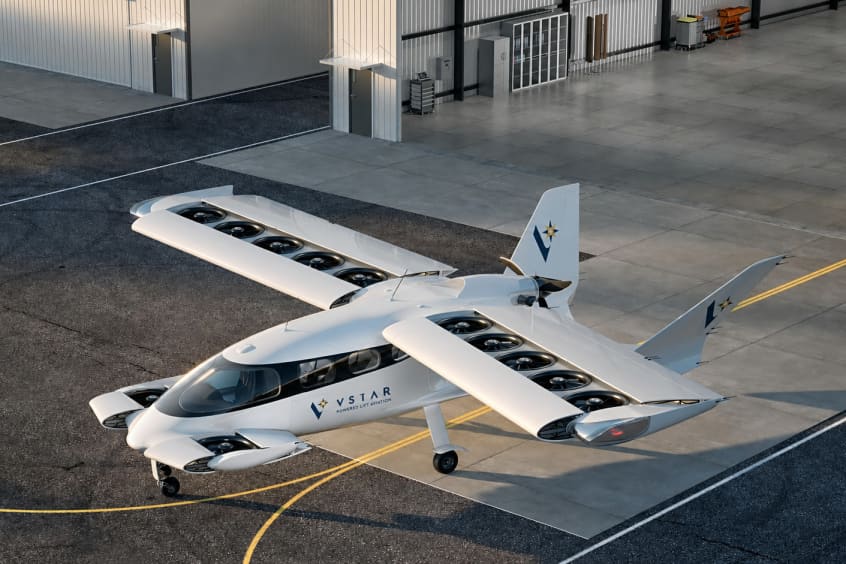
The PT6 turboprop engine family is the most popular engine in its class, considered to be one of the most reliable and efficient aircraft engines ever produced. With a proven performance record in a wide range of aircraft and high-power applications, the PT6A engine is the optimal choice for Horizon’s full-scale hybrid eVTOL, the Cavorite X7, which will fly most of its mission like a conventional aircraft. The PT6A’s architecture and modular reverse flow design also simplifies installation and ongoing engine maintenance.
Unlike many eVTOLs that solely use electric-powered engines, the Cavorite X7’s hybrid gas/electric design will tackle real-world military, emergency and commercial operations without dependency on battery charging infrastructure that is absent or unreliable in remote, off-grid locations. Installing the PT6A engine in the Cavorite X7 will provide unprecedented speed, range, efficiency and dependability that other eVTOLs and helicopters cannot match, while reducing hydrocarbon emissions by up to 30 per cent relative to conventional aircraft conducting similar operations.
“Choosing the right engine for our full-scale hybrid aircraft was essential,” says CEO Brandon Robinson. “The PT6A is exactly what we need for our full-scale aircraft, and building a relationship with Pratt & Whitney Canada, such a respected, global leader right here at home, is another amazing win.”
“For more than six decades, the PT6 engine has been at the heart of countless innovations in aviation, continually evolving to meet the needs of customers worldwide,” adds Scott McElvaine, vice president, sales and marketing and business development. “Seeing the PT6A selected for Horizon Aircraft’s Cavorite X7 reflects its position as the most modern and versatile engine in its class today, delivering the performance, efficiency and reliability required for this next generation of aircraft.”