 The bimonthly news publication for aviation professionals.
 Read this story in our May/June 2025 printed issue.
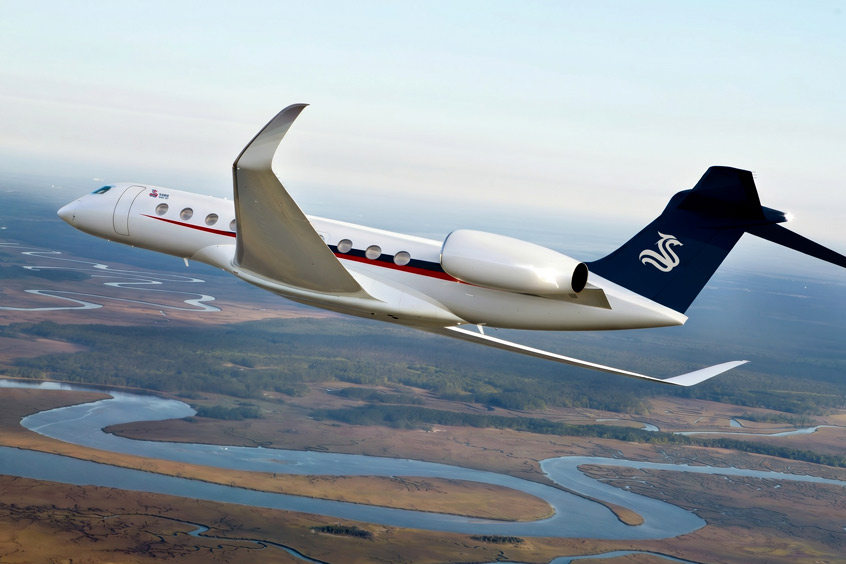
Sino Jet has cut its total carbon emissions by 11.4 per cent year-on-year and by 21.2 per cent compared to 2021, according to its 2024 Annual Greenhouse Gas Emissions Report. The release coincided with World Earth Day, five years since China’s dual-carbon strategy began.
Sino Jet says its owned fleet, ground operations and offices remain on track to reach carbon neutrality by 2025. Company-wide neutrality is targeted for 2035. Scope 1 emissions, which account for 93.63 per cent of the total, dropped 8.7 per cent, while Scope 2 emissions decreased by 4.25 per cent. Scope 3 emissions, covering upstream and downstream activities, fell by 43.2 per cent.
That reduction is tied to a refined energy management strategy, which includes a low-carbon supplier network, the use of new energy vehicles and operational alternatives like online ceremonies. Sino Jet has also adopted a three-stage decarbonisation framework, which extends to 2050 and targets a 50 per cent cut in per capita carbon intensity.
The company credits digital aviation with enabling data-driven emission tracking across flight, energy and commuting activities. Its integrated carbon management system aims to reduce carbon while boosting operational value.
Sino Jet is also helping define airworthiness standards for eVTOL aircraft as part of its plan to offer a seamless business jet and eVTOL travel model. The initiative supports its goal to create a smart, green, high-value service ecosystem.
The company is positioning carbon neutrality as a catalyst for productivity growth and long-term value creation, underscoring its belief that environmental progress and economic return can align.