


 The bimonthly news publication for aviation professionals.
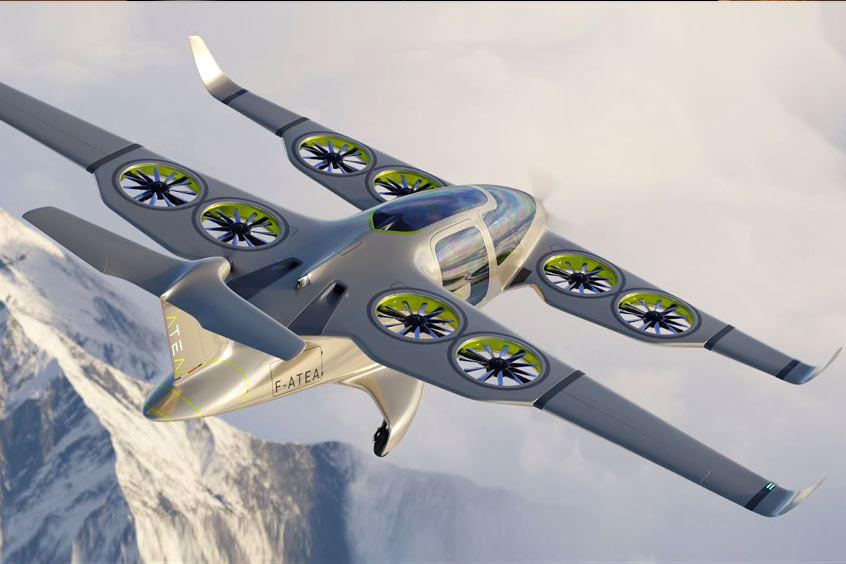
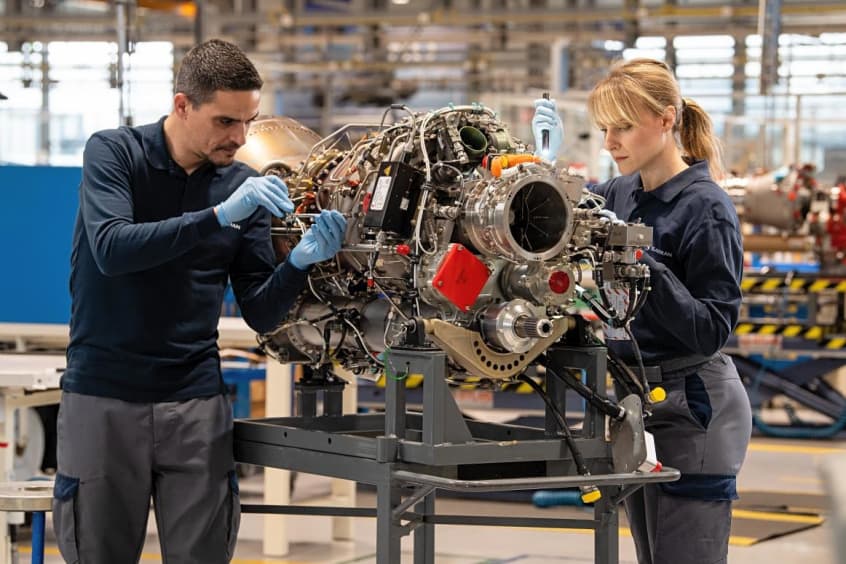
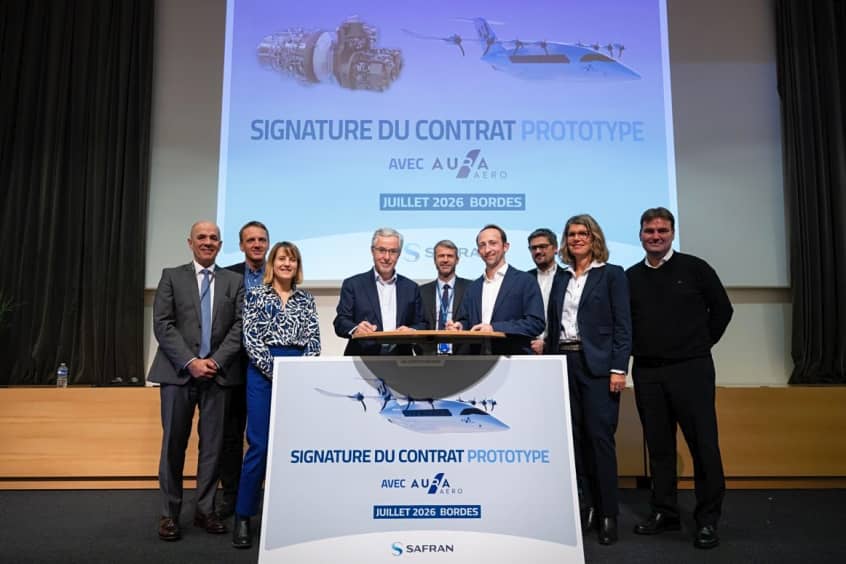
Ascendance has selected ENGINeUS, developed by Safran Electrical & Power and the first EASA-certified electric motor, for the prototype flying Atea, its hybrid-eVTOL aircraft.
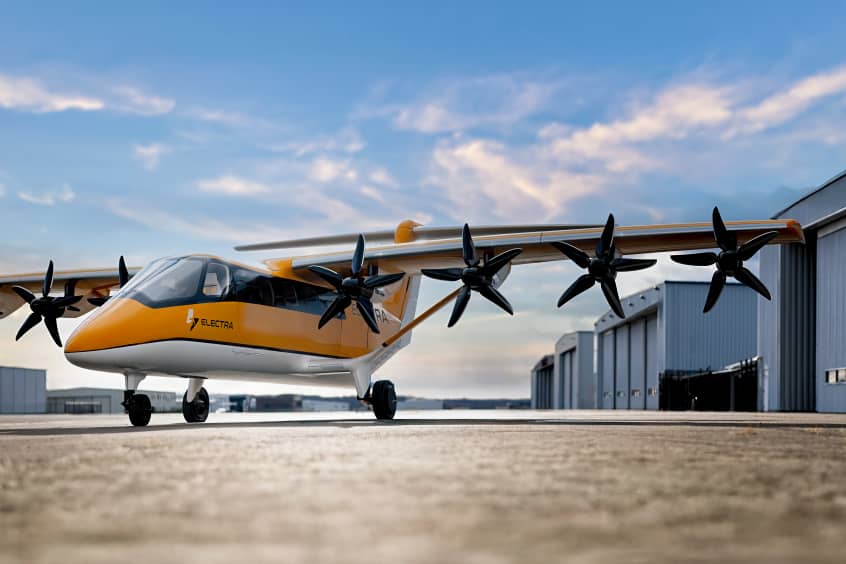
Atea, which incorporates a propulsion architecture consisting of eight vertical electric motors and two horizontal electric motors, is a silent low-carbon alternative to conventional helicopters, designed to reduce environmental impact and pave the way for more efficient regional connections. Its power and control electronics are integrated directly into the motor and it has an optimised air cooling system.
The flying Atea demonstrator, currently in production, will have two ENGINeUS electric motors, each developing more than 100kW.
Ascendance has begun its ground testing campaign at its representative aircraft test facilities in Muret, south of Toulouse, France. These tests aim to approve the integration of new technologies into the propulsion system and validate their performance.
“Safety is central to our programme, particularly the first test flights with a pilot on board. This collaboration with Safran Electrical & Power is an opportunity for us to benefit from its expertise in performance and safety, as well as the performance of the ENGINeUS motors,” says CEO Jean-Christophe Lambert.
“We are very proud to support Ascendance with its ambitious Atea VTOL programme. This announcement, which comes after the EASA certification of our ENGINeUS motor, consolidates our position as a pioneer in electric propulsion. It is the result of several months of technical collaboration between our two companies in the Occitanie French region,” adds Agnès Pronost-Gilles, executive vice president and general manager of power division, Safran Electrical & Power.
The Atea project was selected in 2023 within the France 2030 recovery plan framework, as part of the ‘Produce a low-carbon aircraft in France’ programme. As such, Ascendance relies on several French players for the aircraft’s key systems.