


• Helisul Aviacao
Charter
• Helisul Aviacao
Maintenance
• Airbus Helicopters H125/AS350
BAN's World Gazetteer
• Switzerland The bimonthly news publication for aviation professionals.
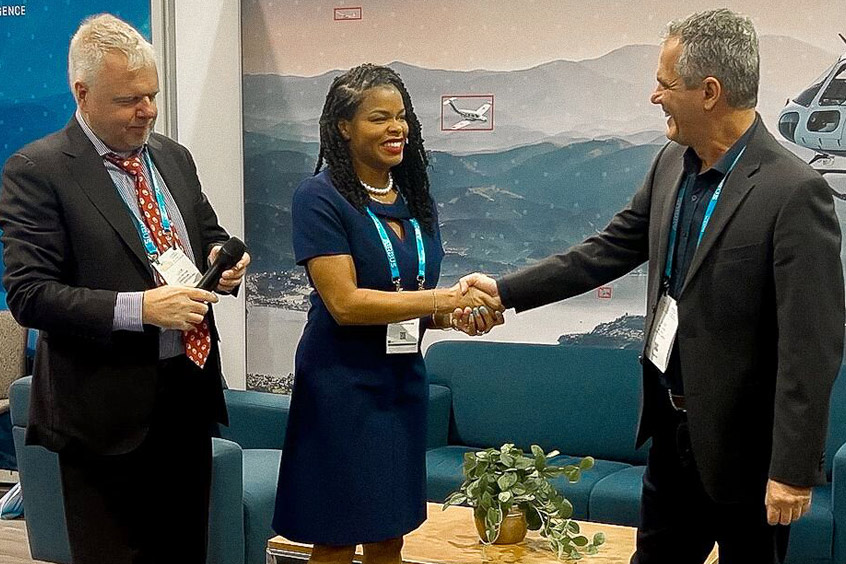
Helisul Aviation has selected Daedalean's PilotEye traffic awareness system for its fleet; Daedalean is a Switzerland-based developer of AI-based applications for situational awareness.
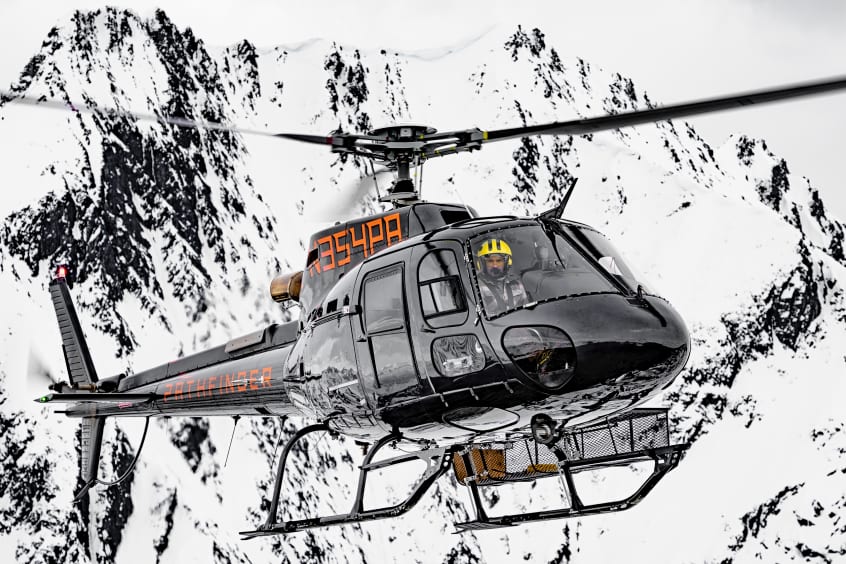
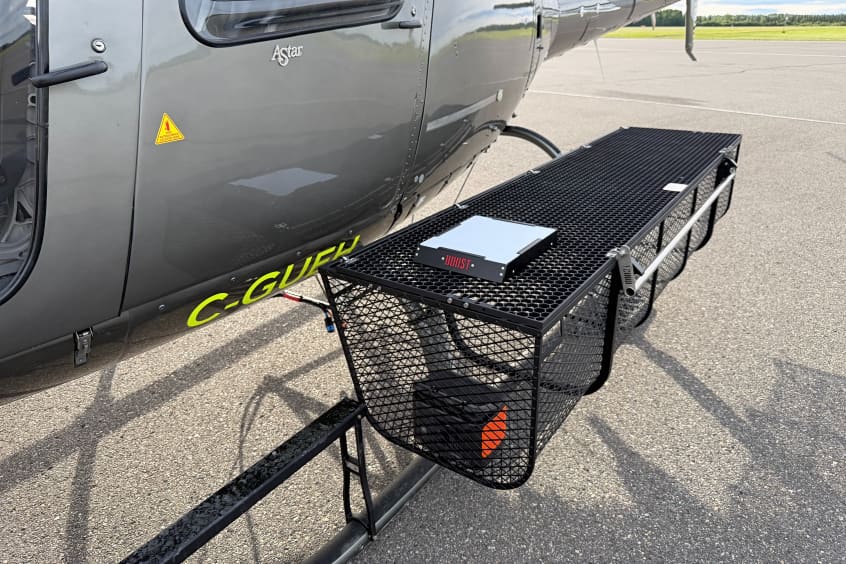
Daedalean's PilotEye combines ADS-B with AI-enabled visual detection of non-cooperative traffic, and will become the first AI-enabled system to be installed on an entire fleet of aircraft. Helisul will retrofit its Airbus AS350 helicopters and will serve as Daedalean's partner MRO serving all of Latin America for future installations and maintenance of the system.
"Leveraging the best of innovative technology has always been at the heart of Helisul's commitment to safety," says executive superintendent Humberto Biesuz. "We are proud to adopt Daedalean's ground-breaking AI technology and to become the first operator to feature the most advanced cockpit in the industry. We see great potential in using Daedalean's pilot assistance systems to further enhance the safety of our operations."
Daedalean's PilotEye, developed in collaboration with Avidyne, is a traffic awareness system on steroids. It merges ADS-B with real-time video footage fed from aircraft-mounted cameras into an onboard computer loaded with a neural network, Daedalean's machine-learned model capable of recognising all kinds of airborne hazards, including birds, drones, gliders, paragliders and other traffic not equipped with transponders.
Currently, the system is progressing through the certification process with the FAA, with concurrent validation by EASA. Daedalean will provide comprehensive support for the integration of its system into Helisul's fleet as well as supporting the necessary steps for certification by Brazil's Agência Nacional de Aviação Civil.
Helisul thus becomes Daedalean's launch customer for PilotEye, allowing the company to gain early experience with the system. Helisul will also be able to collect data in situations and environments specific to its use cases, such as search and rescue, which in turn will allow Daedalean to customise its algorithms to Helisul's needs.
"This agreement allows Daedalean to demonstrate the benefits of its technologies in the cockpit from day one," says president of the Americas Dr Yemaya Bordain. "We are thrilled to contribute to the safety of Helisul's real-world operations as well as to jointly develop the system further to create what we call Situational Intelligence, which is the ability of the system not only to recognise the environment but anticipate future risks. Through this collaboration, both Helisul and Daedalean stand to make great strides in safety in the skies."