• USAIG (United States Aircraft Insurance Group)
• Safety
BAN's World Gazetteer
• Arizona The bimonthly news publication for aviation professionals.

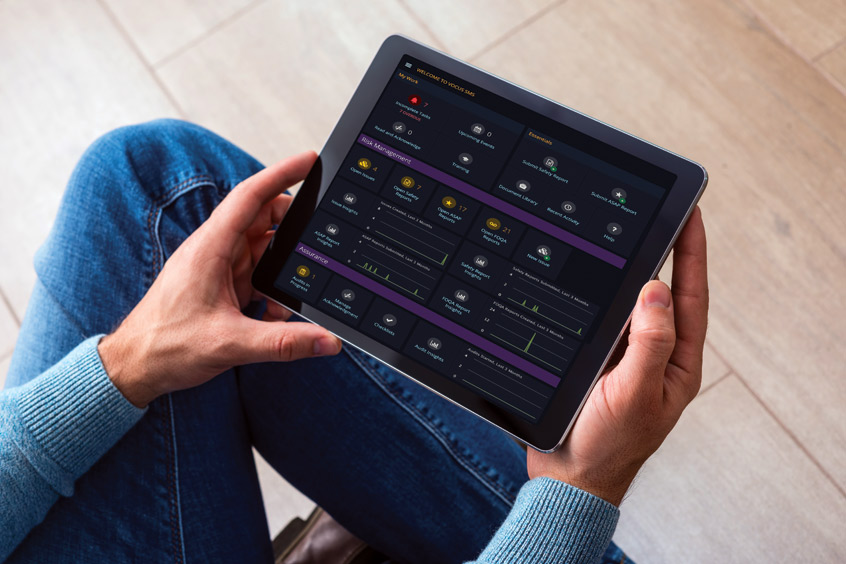
Aviation insurance provider USAIG has welcomed Polaris Aero, an aviation software company specialising in risk analysis and safety management systems, to its Performance Vector Safety initiative. Performance Vector is a portfolio of safety-supporting services made available to most USAIG policyholders who insure a turbine-powered aircraft or place multiple policies with USAIG. Each eligible policy can select one programme option annually to enhance loss control and safety activities.
VOCUS is a cloud-based safety intelligence platform that unifies all Polaris Aero software applications into a seamless user experience. It utilises the latest technologies to streamline the input, processing and sharing of critical safety-related information, including data from third parties, in a secure, scalable and reliable platform. Polaris Aero's passion for safety is reflected in its software, which is designed to ensure organisations never forget a lesson learned.
Integrating a safety management system (SMS) as a natural part of organisational culture is a vital imperative for aviation leaders, and mandates to have such processes in place are expanding. USAIG will contribute up to $2,500 toward Polaris Aero VOCUS subscription costs for each policy year in which an eligible policyholder applies its Performance Vector benefit toward initiating or renewing Polaris Aero services.
“Many of our policyholders have told us that Polaris Aero's applications fit superbly and drive meaningful advances in their safety initiatives,” says president and CEO John T Brogan. “We're proud to establish this connection between VOCUS platform services and our policyholders that can best use these advanced tools and to share some of the expense for those who choose this option for their annual benefit.”
VOCUS applications include SMS, a next-generation system that facilitates compliance with ICAO standards and recommended practices, utilising the latest design concepts in advanced mobile technology and integrations to external data sources to simplify safety management.
FlightRisk is an advanced risk assessment system that automatically identifies the hazards and risk mitigation procedures most relevant to a flight. It can be used manually or integrated with a scheduling system and can work with any SMS, but it is most integrated with VOCUS SMS.
And SMS eLearning is an online training programme offered in fundamental and advanced versions that facilitates initial and recurrent training for employees on SMS principles.
“Polaris Aero is proud to become a participant in the Performance Vector programme to further advance safety for USAIG policyholders,” says CEO and co-founder Chris Connor. “VOCUS utilises advanced technology and design concepts to simplify the complexity of safety management and transforms data into meaningful information and knowledge. Knowledge is the prerequisite for effective decision-making, and better decision-making means fewer incidents and accidents.”