 The bimonthly news publication for aviation professionals.
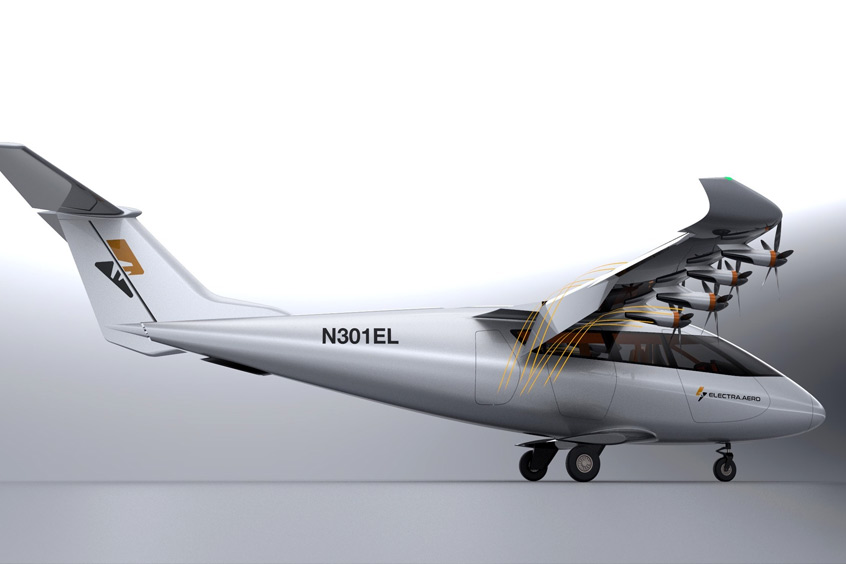
The National Aeronautics & Space Administration (NASA) has signed a contract with Electra Aero, an aircraft developer based in Falls Church, Virginia, to mature enabling aerodynamic ‘blown lift’ technologies for electric ultra-short takeoff and landing (eSTOL) aircraft in advanced air mobility applications.
Electra teamed with Dr. Alejandra Uranga, Gabilan assistant professor at the University of Southern California's Department of Aerospace and Mechanical Engineering and was awarded a contract under the Small Business Technology Transfer programme.
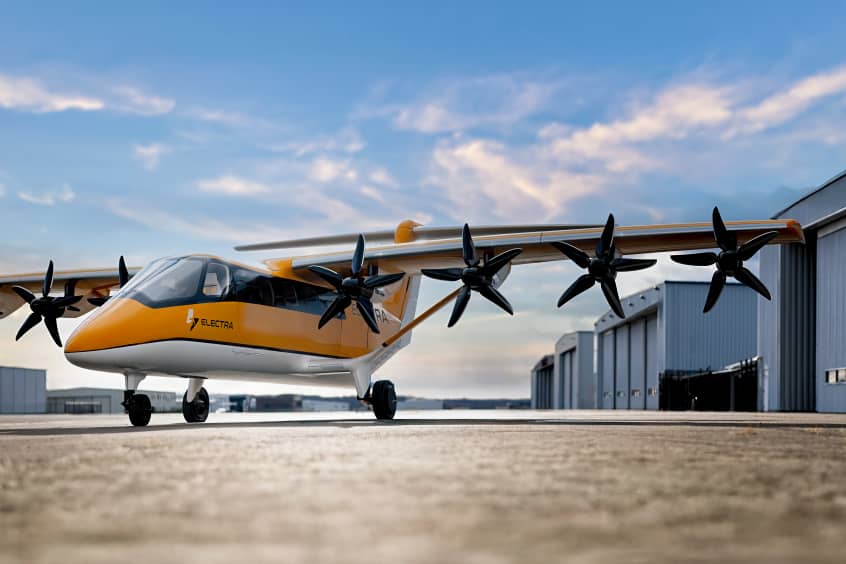
Electra is developing electric aircraft that can take off and land in less than 150ft. “This really pushes today's aerodynamic technology to its limits,” says Ben Marchionna, Electra's director of technology and innovation. “Effective blown lift aircraft concepts require every tool in an aerospace engineer's toolbox: computational fluid dynamics (CFD), wind tunnel models and flying testbeds.”
Uranga adds: “Even the best CFD-based blown lift and distributed electric propulsion models today lack validation against full-scale vehicles for these unique configurations. Current computational methods can predict some limited blown lift flow fields in three dimensions, but the large eSTOL design space compared to conventional aircraft means that fast, trusted, low-order methods are needed to rapidly evaluate design choices. This contract will help us develop those methods.”
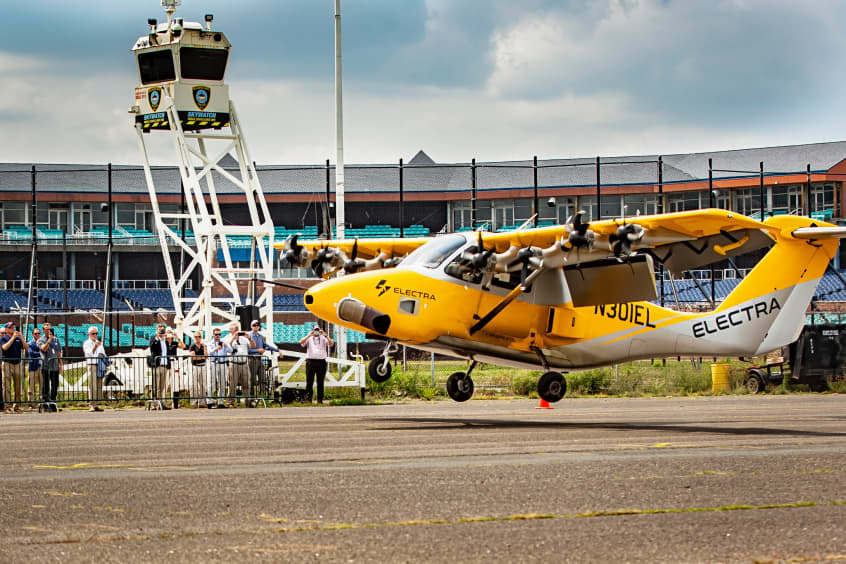
In 2022, Electra plans to begin flight testing a full-scale hybrid eSTOL tech demonstrator aircraft that will carry two people, take off and land in distances under 150ft and use a 150-kW hybrid-electric turbogenerator to power eight electric motors and charge a custom battery system during flight.
Electra's first commercial product, with FAA certification planned in 2026, is designed to carry up to seven passengers and a pilot as far as 500 miles. It will serve urban and regional air mobility markets, sustainability-focused airline operations, ‘middle mile’ cargo logistics and air ambulance services.