The bimonthly news publication for aviation professionals.
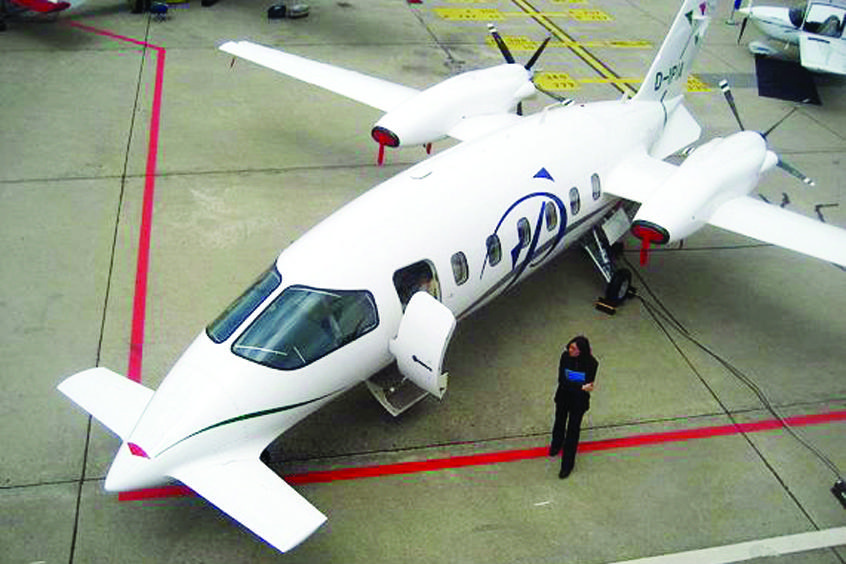
Parker Aerospace's wheel and brake division has received a supplemental type certificate (STC) from the FAA for an alternative retrofit configuration on the wheels and brakes of the P.180 Avanti, Avanti II and Avanti EVO aircraft.
The aftermarket steel brake system, developed in partnership with Piaggio Aerospace, is less costly than the P.180's previous carbon brakes and engineered to maintain smoother, more consistent operation with even wear across their available life. The wheels in the new retrofit system are aluminum-forged to provide excellent corrosion resistance as well as advanced safety features that protect against manual and thermal-induced over-pressurisation. Heat shields are also included in the new design to help maintain acceptable tyre temperatures.
“Taking a team approach, we worked collaboratively with Piaggio to successfully plan, design and test a programme that demonstrated absolute quality with no requested changes from the FAA,” notes Dan Basch, engineering manager at the Parker Aerospace aircraft wheel and brake division. “Our diligent planning and expertise in aerospace-grade materials resulted in a product retrofit that will bring a new stream of value to our customers' operations.”
Parker aircraft wheel and brake business team leader Tom Dorinsky adds: “Development of the P.180 wheel and brake retrofit programme began in 2016 when Parker and Piaggio both sought to solve customers' cost-reduction challenges with a solution that would neither compromise quality or add difficulty to maintenance, repair and overhaul activities for their fleet mechanics. While carbon offers low-weight advantages compared to steel, its cost is steep. We knew that if we could integrate steel into the retrofit and ensure its performance we could achieve drastic results for our customers' bottom lines.”
Parker's new retrofit solution is expected to save P.180 operators as much as 70 per cent in overhaul costs.
The mutually designed, customised steel brake programme is now offered to aircraft operators as a conversion kit through Piaggio's P.180 wheel and brake upgrade programme. The replacement kit integrates seamlessly with existing aircraft systems, requiring no aircraft or landing gear modifications for installation.
“Piaggio Aerospace is working closely with its customers to update them on the new aircraft offering so they can immediately begin to take advantage of its improved design features and potential cost savings,” explains Dorinsky. “We are proud to be part of this commitment to innovation which we believe will lead to similar endeavours between our two companies.”
The Parker Aerospace aircraft wheel and brake division also received the supplemental type certificate from the European Union Aviation Safety Agency and Transport Canada in February.