



 The bimonthly news publication for aviation professionals.
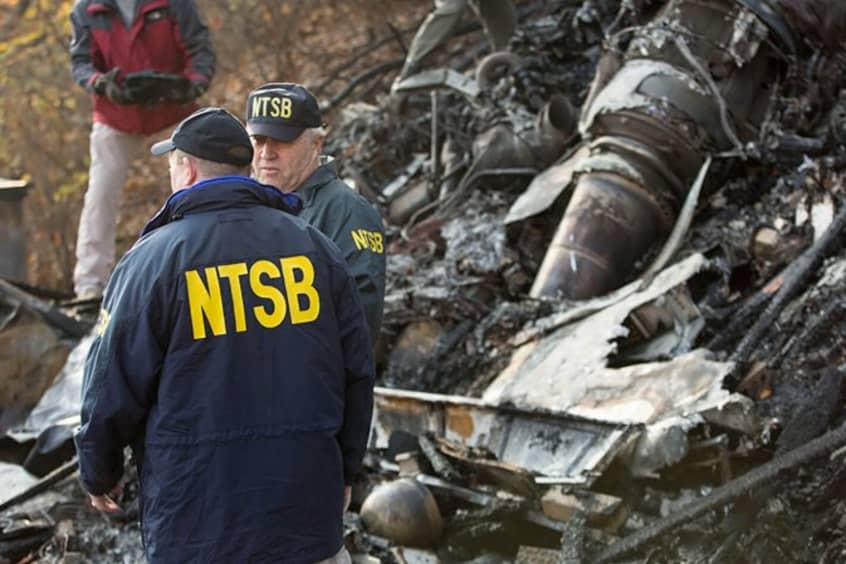
Powerplant system or component failure was the leading occurrence category among six fatal business aviation accidents in the second quarter of 2026, cited in two of the events, NBAA's latest quarterly accident and incident analysis shows.
The analysis, covering April through June, examines 66 reportable events comprising 42 incidents and 24 accidents. Six of the accidents were fatal, resulting in 22 fatalities, and involved two business jets, three business turboprops and one turbine helicopter. Collisions during takeoff or landing were the most frequent accident type overall, with one fatal and four nonfatal occurrences, followed by runway excursions and powerplant failures, three each. Across all 66 events, bird strikes were the single largest category at 12, ahead of non-powerplant system or component failures at 11 and powerplant failures at nine.
Mark Larsen, CAM, NBAA director of safety and flight operations, says: “NBAA's quarterly analysis gives the business aviation community a clear and timely understanding of where risks are appearing across the operating environment. The Q2 findings reinforce the need for rigorous preflight preparation, disciplined takeoff and landing practices, runway-excursion prevention and close attention to aircraft system and powerplant reliability.”
The report notes that events falling short of an accident can still expose operational hazards. The high number of bird strikes and aircraft system failures points to the value of wildlife-hazard awareness, proactive maintenance, thorough inspections and effective procedures for recognising abnormal indications. Larsen adds: “By bringing these events together and examining the patterns behind them, NBAA helps operators turn data into conversations, training priorities and actions that can strengthen safety.”
Launched in the fourth quarter of last year, NBAA's quarterly Business Aviation Accident and Incident Analysis is intended to give members a consistent picture of safety events involving turbine-powered business aircraft, identifying trends rather than assigning probable cause. The reports are updated as further information emerges and are tied to NBAA Safety Committee priorities and the association's wider safety guidance and education work. The full Q2 2026 report is available via the NBAA website.