


 The bimonthly news publication for aviation professionals.
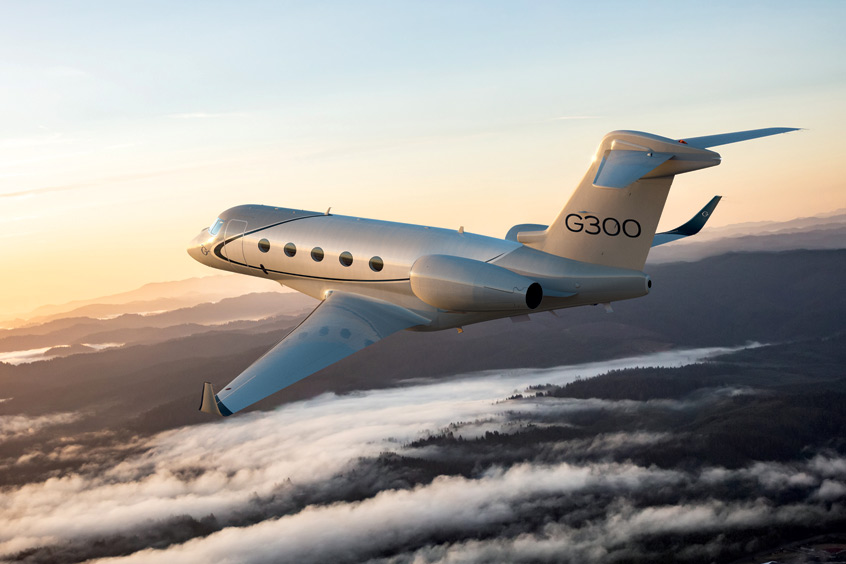
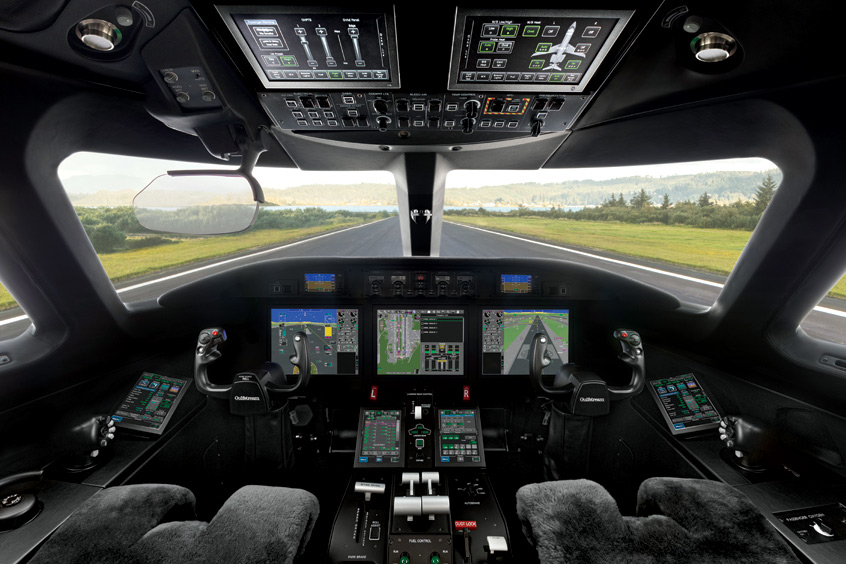
Gulfstream Aerospace Corporation has introduced the all-new, super midsize Gulfstream G300 as the latest addition to its next-gen fleet. The aircraft will replace the G280 and features an advanced Harmony flight deck, which includes next-gen avionics designed to enhance safety and operational efficiency.
The G300 was revealed at Gulfstream’s exclusive Discover the Difference customer event in Savannah in early October. During the event, company president Mark Burns presented a full-scale mock-up of the aircraft and shared pictures of the first aircraft in production.
“Fuelled by a decade of investment and our future-forward approach, the Gulfstream next-generation fleet offers our customers the most innovative family of aircraft,” says Burns. “We know how important the super midsize cabin segment is to our customers, so building on the highly successful G280 programme, the G300 will re-energise the category with its heightened technology and safety enhancements, alongside the legendary comfort and styling of a Gulfstream.”
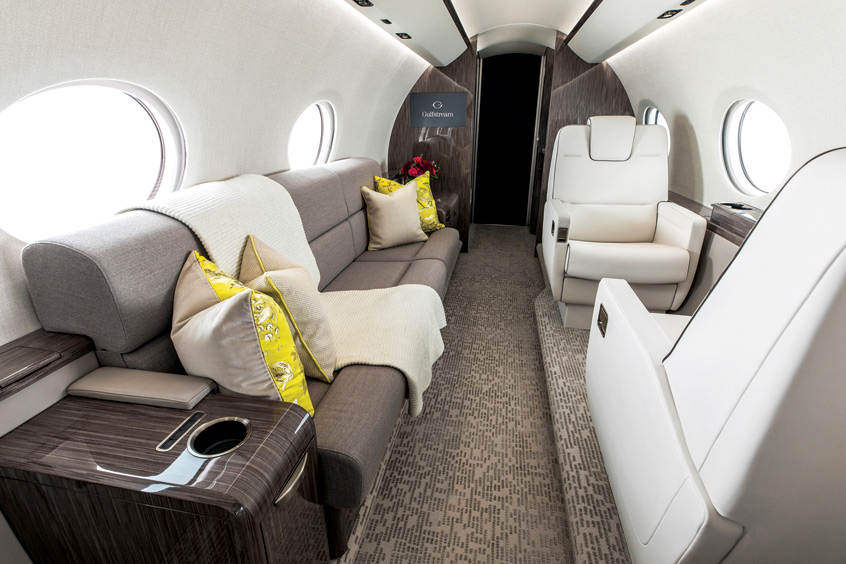
The G300 combines transatlantic range with short-field agility, covering 3,600nm (6,667km) at Mach 0.80, or 3,000nm (5,556km) at Mach 0.84. The aircraft has a maximum cruise altitude of 45,000ft (13,716m) and maintains the lowest cabin altitude in its class at 4,800ft (1,463m) when flying at 41,000ft (12,497m). Its cabin provides 100 per cent fresh air, a plasma ionisation air purification system and ten signature Gulfstream panoramic oval windows. With the longest cabin in its class and two living areas, the G300 can accommodate up to ten passengers.
The Harmony flight deck features six touchscreens, paired with phase-of-flight intelligence for intuitive operation. A Synthetic Vision primary flight display shows runways and terrain in 3D imagery to boost pilot situational awareness, while Gulfstream’s Predictive Landing Performance System dynamically displays the runway stopping point in real time.
With high-thrust Honeywell engines and the clean, swept Gulfstream wing, the G300 is designed for fast, efficient flight and fuel efficiency, combining size, advanced avionics and aerodynamic performance.
“The G300 programme is making great progress, and the vision for this aircraft is well on its way to becoming a reality for our customers as they look for an aircraft that exceeds their expectations in the super midsize class,” adds Burns.
Gulfstream has completed nearly 22,000 hours of testing at its lab facilities, including its integration test facility with iron bird capability. The aircraft completed its first flight last month and has undergone nearly 2,000 ground test hours on the first production aircraft, with two additional test aircraft already in production.