 The bimonthly news publication for aviation professionals.
Latin America and the Caribbean is home to 2,975 business jets, or 12% of the 24,442-strong global fleet, according to JETNET data analysed by Airbus Corporate Jets. Brazil and Mexico rank second and third globally behind the U.S., which has 15,492 business aircraft.
Of these, 657 are large, long range jets, representing 7% of the global fleet in that segment. Mexico leads the region in large jet ownership with 249, followed by Brazil (217), Argentina (35), Venezuela (24) and Puerto Rico (20).
On the resale side, 169 private jets are on the market in the region, accounting for around 5.7% of the fleet. Light jets are the largest resale category with 68 for sale, followed by 51 midsize, 45 large or ultra-long-range and five very light jets.
Fleet age remains a factor in renewal decisions. The average business jet in Latin America and the Caribbean is 24.5 years old, compared to a global average of 18.1.
“Business aviation is a vital enabler of growth and connectivity across Latin America,” says ACJ president Chadi Saade. “Our analysis shows that Brazil now has the second largest business jet fleet in the world, followed by Mexico; clear evidence of the region's strategic role in global business aviation. As companies look to modernise ageing fleets and maximise long-term value, Airbus Corporate Jets offers advanced, fuel-efficient aircraft designed for today's demands and tomorrow's opportunities.”
He adds: “Latin America continues to be a powerful player in global business aviation. The LatAm region accounts for 7% of the global large private jet fleet, a clear reflection of growing demand for long-range, high-performance aircraft. As more private jet owners look to sell and upgrade to larger more efficient jets, ACJ stands out with exceptional comfort, performance and long-term value.”
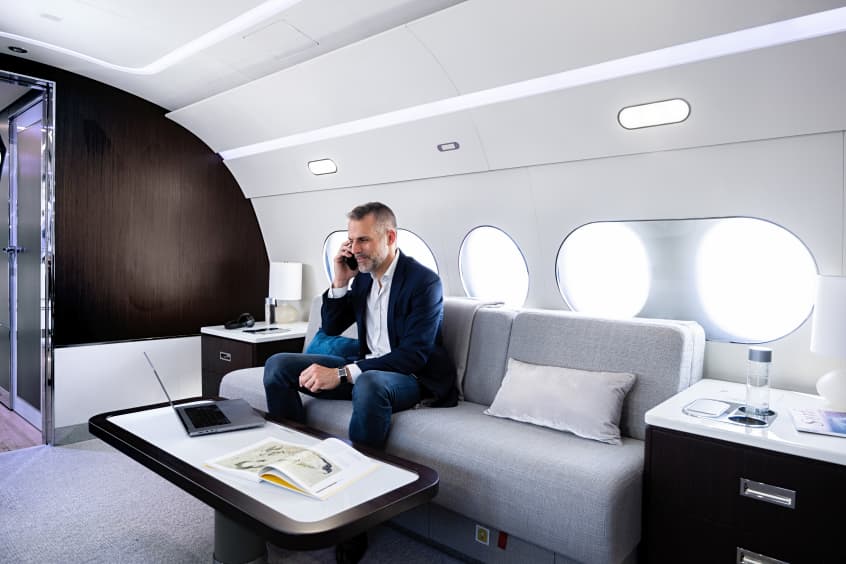
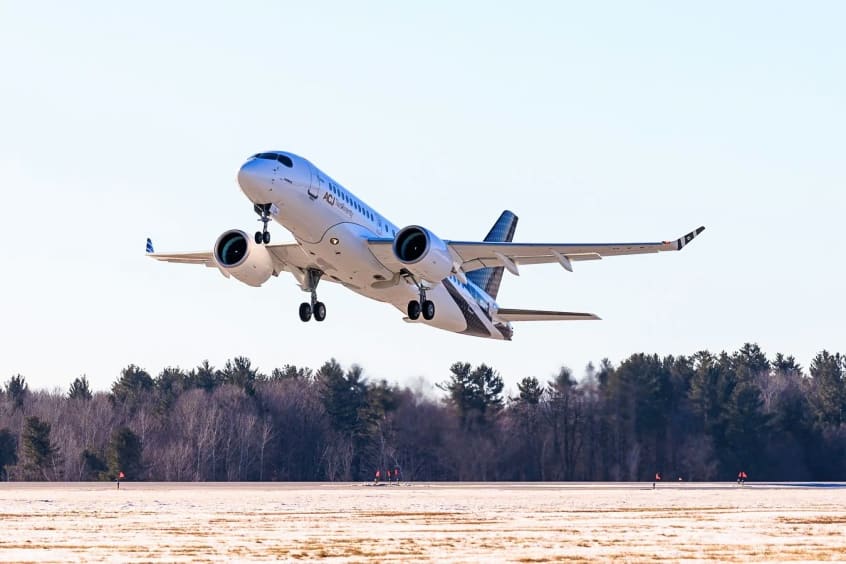
The ACJ TwoTwenty is described as creating a new category, the 'Xtra Large Bizjet'. It offers twice the cabin space of similarly priced ultra-long-range jets, yet with one-third the operating costs. It uses the same airport footprint and can fly over 12 hours, covering 5,650 nm. The jet is capable of operating with up to a 50% sustainable aviation fuel blend, and Airbus says all its commercial aircraft and helicopters will be SAF-compatible by 2030.