



• Embry-Riddle Aeronautical University
• Orlando International Airport
BAN's World Gazetteer
• Florida The bimonthly news publication for aviation professionals.
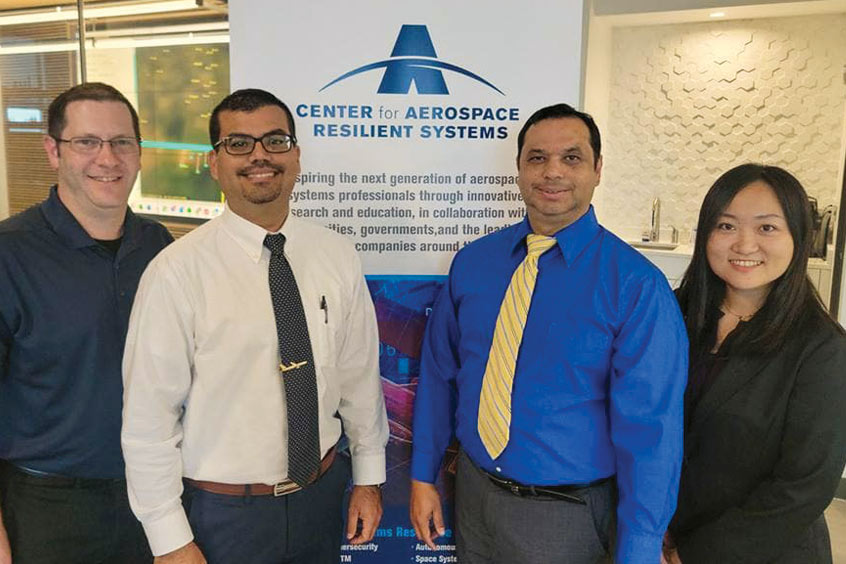
An Embry‑Riddle Aeronautical University study has shown that advanced air mobility (AAM) vehicles, such as air taxis and autonomous aircraft, could operate at Orlando International Airport without disrupting commercial air traffic.
The peer-reviewed study, published in April in Aerospace, was commissioned by the Greater Orlando Aviation Authority. Researchers identified possible 'corridors' in the airport’s airspace that could allow for AAM integration.
These aircraft, capable of vertical or short takeoff and landing, are designed for urban and regional transport. Researchers used data from March 25, 2023, one of the airport's busiest days, to simulate traffic with up to 22 AAM flights.
Using Total Airspace and Airport Modeler software, the simulation found zero conflicts with air traffic or wake turbulence. The study aims to guide future safe integration of AAM into the national system.
Dr Victor Fraticelli Rivera of Embry‑Riddle said the project “offers an opportunity to explore innovative transportation solutions within congested, complex and highly regulated airspace,” and that collaboration with stakeholders is essential.
Other contributors included Dr Robert Thomas, Carlos Castro Pena and Ph.D. candidate Sakurako Kuba, who modelled AAM configurations and said that working on real-world challenges helps students gain insight and confidence in evolving airspace operations.
Greater Orlando Aviation Authority CEO Lance Lyttle said the study supports efforts under the FAA’s Innovate 28 programme, adding: “We appreciate the partnership with Embry‑Riddle and hope the research will advance connection and innovation within the central Florida aerospace ecosystem.”