• Aviation Services Management
• Exclusive Charter Service (ECS Jets)
• Flapper
• Katana
• LunaJets
• Private Jet Card Comparisons
• Starfly
Charter
BAN's World Gazetteer
• Bahrain The bimonthly news publication for aviation professionals.






 Read this story in our July/August 2025 printed issue.
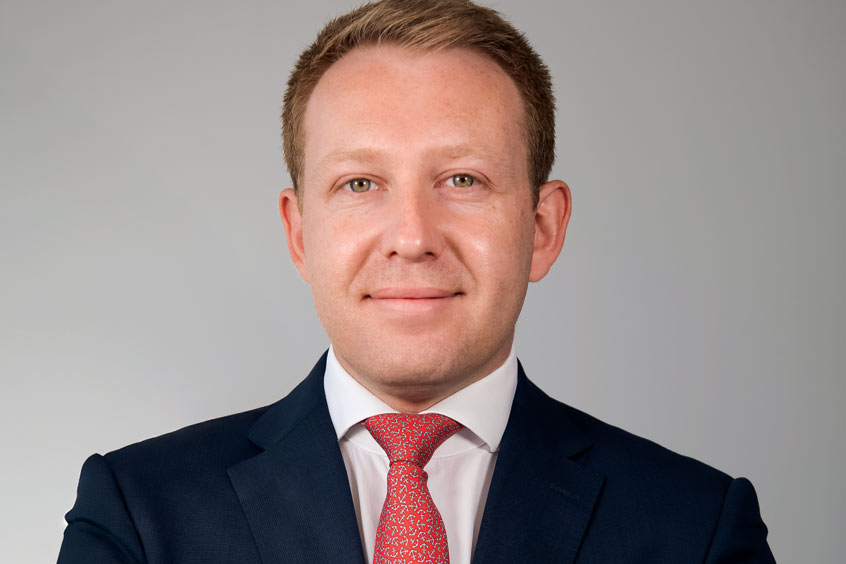
No question that charter prices have gone up in recent years, but so has the price of most goods, and charter demand is still high. Views differ as to which aircraft are most affected. Private Jet Card Comparisons president and editor-in-chief Doug Gollan says light jet pricing is up the most since 2019 at 34.1 per cent, while ultra-long-haul jets are up only 12.6 per cent. Over a shorter timeframe, UAE-based Aviation Services Management charter executive Kurt Parcon says Gulfstream and Bombardier Global models have experienced steeper price hikes due to high operational costs, while smaller jets and turboprops have seen relatively moderate increases. The company was charging $4,000-5,000 per hour for a Learjet, now it is $4,950–6,000, and the Challenger 605 has moved from $7,000–11,000 to $8,000–12,000.
Increased price is the number one reason subscribers to Private Jet Card Comparisons consider changing programmes on renewal; it could be five years since they bought their fractional share. Once they compare current pricing, they generally see that prices are up across the board. “They realise their provider isn’t gouging them,” says Gollan. “Last July I did a comparison on how increased jet card prices compared to other sectors. French fries at McDonald’s were up 179 per cent while the median home price in Nashville was up 64 per cent. Even a dozen eggs were double pre-Covid prices and they’re much higher now.”
With charter prices on the rise, in this article we take a look at how some are mitigating those increases for clients. LunaJets CEO Guillaume Launay leads with: “Clients should work with a large brokerage firm that has high transaction volumes and strong relationships with operators. This can provide access to better rates and more flexible options.”
BLAK director Sam Sargent suggests clients should book well in advance to lock in availability and avoid last-minute surges; they should be flexible on aircraft type and routing to optimise options; and they should partner with specialists who have strong operator relationships, ensuring access to aircraft even in high-demand periods.
“Anyone facing a 34 per cent increase will shop around for empty legs, last-minute transient availability or alternative airports with lower landing and handling fees,” says Jet Members senior flight director Tim Rees. Some of his clients have adopted a ‘watch and wait’ strategy, confirming offers much closer to the flight date. He hopes this may cause operators to offer ‘early bird rates’ to incentivise bookings and create empty legs, rather than just discounts based on transient availability, especially if these flights occur at quieter times of the year.
Gollan suggests clients should be flexible. They should ask about a window of days or weeks instead of a specific date, and they should be willing to accept older aircraft and more restrictive cancellation terms. They should also understand that travelling between high-density private jet traffic areas limits repositioning expenses. “Fixed rate jet cards are often the lowest-price solution for inefficient flyers,” he says.
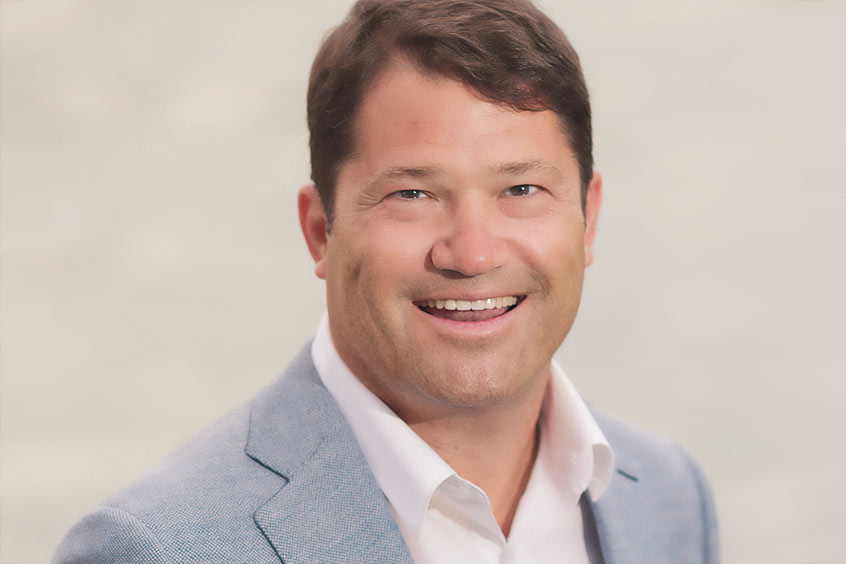
Digital platforms provide real-time pricing transparency and tailored flight options. As more aircraft enter the market and platforms optimise seat utilisation, the pressure on pricing diminishes. Bryan Verona, founder of jet marketplace Katana, says: “A key challenge in private aviation has always been capacity utilisation. Katana is solving this inefficiency by enabling members to buy and sell seats, share costs and take advantage of empty legs, which not only reduces per-seat prices but also expands accessibility.”
Aerojet Me’s dynamic pricing models offer discounts for off-peak travel or empty leg flights. Leveraging partnerships with operators, fuel suppliers and maintenance providers can also lead to bulk discounts that can be passed on to customers. Additionally, offering membership programmes or prepaid flight hours can lock in lower rates for frequent flyers. “Another approach is to promote group charters and shared flights, where clients can split the cost of a journey while still enjoying the benefits of private aviation,” adds CEO Irina Duisimbekova.
Juan Carbone, founder of Argentina-based Starfly, is concerned that passengers seek the best prices but overlook quality of service: “An operator who addresses maintenance issues in good time can achieve significant savings in the longer term. Take the purchase of a spare part that, for whatever reason, is available at a significantly lower price than usual. Rather than have the aircraft owner decide its purchase is not a priority, they should commit to the purchase as the item may go up in price over time.”
Flapper CEO Paul Malicki notes that a shortage of maintenance workers and pilots, a scarcity of aircraft parts and increased infrastructure costs are pushing up prices, and he expects this to continue as private equity and major conglomerates take over maintenance facilities and airport management. To mitigate this, Flapper guides clients towards more reasonably priced airports and offers free VIP shuttles to city centres. “We also started to work with transparent contracts, where we charge only a five per cent transaction fee to members and act as a procurement platform and not a broker,” he adds. “This leaves clients more comfortable about the industry’s pricing practices.”
FlyAerotaxi president Simone Marsiglia offers reduced rate empty legs to maximise aircraft utilisation and uses dynamic pricing models that adapt to real-time demand. He notes: “Investing in newer, more efficient aircraft is another key strategy to reduce long-term operational expenses. Additionally, promoting shared charters can help distribute costs among multiple passengers while maintaining the luxury experience.” And Icarus Jet CEO Kevin Singh adds: “For budget-minded travellers, offering alternatives like turboprops instead of jets, adaptable scheduling or different departing and landing airports can make private flying more affordable without sacrificing profitability.”
In India, Hunch Mobility MD Amit Dutta suggests that dynamic pricing models, which adjust fares based on real-time demand, are balancing affordability for clients while maintaining profitability. But long-term solutions include investing in SAF and exploring electric aircraft to reduce fuel dependency. Strategic partnerships with airports and FBOs to negotiate better landing and parking fees can also help control costs.
Of course, the benefits of chartering far outweigh the cost when compared to alternative travel options. Sargent says that pricing is just one part of the equation: “Seasoned charter users understand the value of seamless execution and peace of mind, and they are willing to pay for it.” And Exclusive Charter Service president Jason Johnson adds: “Here’s the thing: private aviation isn’t just about getting from A to B; it’s about time saved, stress avoided and the experience itself. We’re upfront with clients about why prices are rising, but we also focus on what they’re getting.”
In an ideal world …
Javiation president Jeremy Kearns hopes to see a more balanced supply-demand equation, with increased aircraft availability helping stabilise rates. Additionally, advancements in SAF and efficiency-driven innovations could mitigate rising costs over time.
But Sargent cautions that rising costs should not come at the expense of service quality: “Operators and brokers who prioritise relationships, operational expertise and reliability will remain strong in the market, regardless of price fluctuations.”
Duisimbekova believes that streamlined regulatory processes and technological advancements in aircraft manufacturing would further stabilise supply and improve cost efficiency. She says collaboration among brokers, operators, manufacturers and regulators would be key to creating a more transparent and sustainable pricing ecosystem.
Gollan advises: “In a market where pricing isn’t regulated, there are always going to be companies and aircraft owners that will price their quotes to generate cash. Back in the 1980s former American Airlines chairman Bob Crandall used to say he was only as smart as his dumbest competitor. Back then only the US domestic market was deregulated, so he only had about a dozen true competitors. In private aviation there are hundreds of operators, as well as the aircraft owners of managed aircraft on the charter market. Each of these folks is looking at their own financials and making decisions based on their business needs. There’s always going to be something cheaper. Operators and brokers need to focus more on positioning what they do. The industry is very strong from an operating standpoint and fairly weak from a marketing/branding perspective.”
Looking ahead, Parcon says the future of charter pricing will depend on technological advancements like transparent pricing models becoming standard across the industry, allowing clients to see exactly what they’re paying for and why prices are set at the levels they are. With enough skilled pilots and staff to meet demand, leading to improved working conditions and advancements in fleet management, managing supply and demand will help stabilise the price. Taking efforts toward sustainability with new aircraft designs and the widespread use of sustainable aviation fuel would help reduce operating costs making private jet travel more affordable for a wider market.”
Dutta hopes regulatory reforms will facilitate faster aircraft imports and reduce excessive duties, enabling fleet expansion. Accelerating advancements in electric and hybrid aircraft can help decrease reliance on costly aviation fuel, but improvements in infrastructure such as dedicated terminals and more efficient air traffic management can enhance operational efficiency. And of course a policy framework supporting sustainable aviation fuels and tax incentives for green technology investments would contribute to long-term cost stabilisation.