 The bimonthly news publication for aviation professionals.
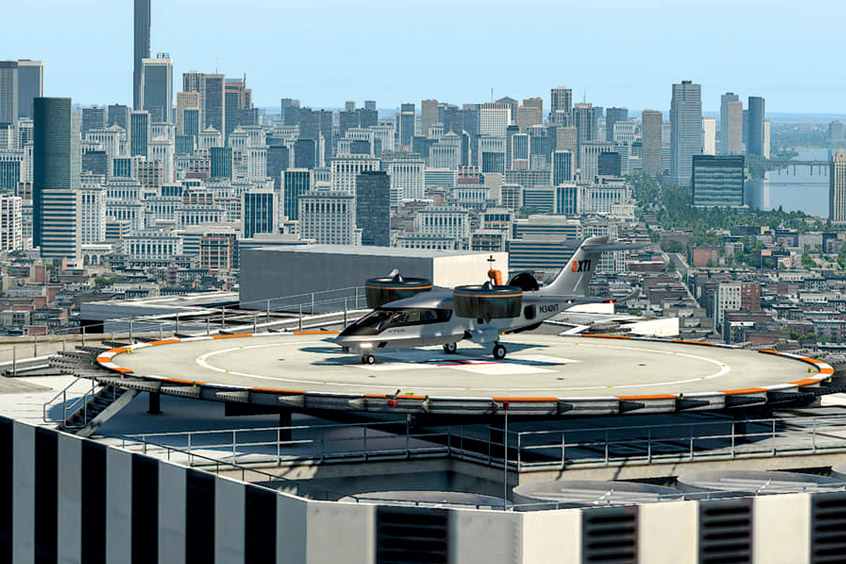
XTI Aerospace has completed its downwash/outwash study, a key engineering milestone for the TriFan 600. The study examined airflow behaviour during vertical takeoff and landing, confirming that the aircraft’s ducted fans help manage downwash impact.
“The TriFan 600 will hold a key advantage over helicopters; its downward propeller airflow is designed to be controlled by the ducted fans,” says Dave Ambrose, VP of engineering at XTI Aircraft. “As a result, when the airflow reaches the ground, the outwash dynamic pressure dissipates more quickly and closer to the vehicle. This means a person can stand closer to the TriFan during vertical takeoff and landing without being blown over, enhancing both safety and operational flexibility.”
XTI Aerospace SVP of business and programme development Don Purdy adds, “Our product and engineering team is growing and we continue to outperform expectations. The downwash study is just one of the many analyses we have conducted on the TriFan 600 aircraft and it's always a great validation when the results exceed our expectations.”
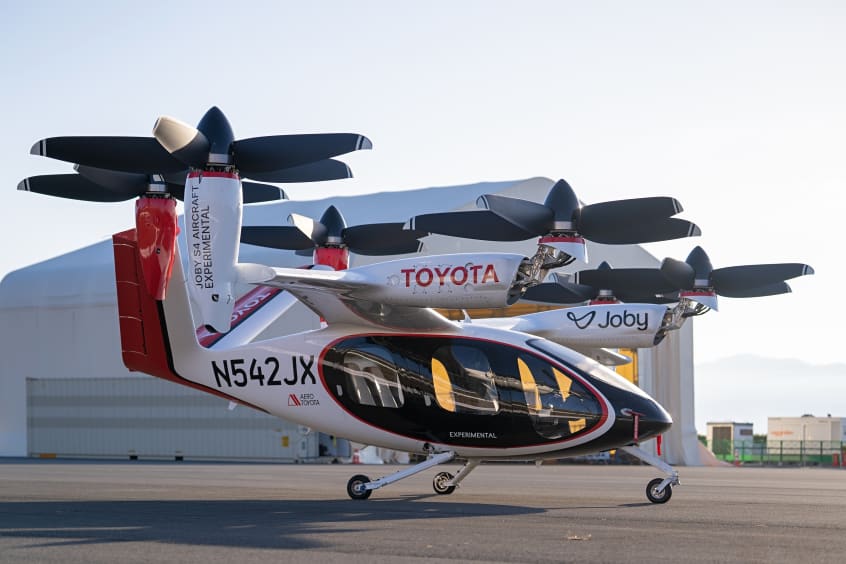
The FAA defines a Downwash Caution Area (DCA) as any zone where airflow velocity exceeds 34.5 mph (15 m/s). The TriFan 600’s DCA is 53 feet, closely aligning with the Joby S4 eVTOL.
XTI’s remaining Q1 engineering milestones include fuel system optimisation, refining engine inlets and exhaust, finalising a flight deck mockup, applying for type certification and updating the aircraft’s structural finite element model. The Sparrow subscale working model is expected to launch in early Q2.