


• Electra.aero
Aircraft
• flyvbird
Charter
• Tecnam - Costruzioni Aeronautiche Tecnam SpA
Aircraft
BAN's World Gazetteer
• Virginia The bimonthly news publication for aviation professionals.
Low cost, on demand Germany-based regional airline flyvbird has completed its flyvAI prototype featuring proprietary algorithm and software architecture. The system will now be fine-tuned over the next six to nine months.
The algorithm prototype pools travel demands from customers, marrying them with available city pairs and routes. Passengers can determine an itinerary based on constraints, ie whether they are prepared to take stops en-route to their chosen destination, because doing so will reduce the ticket price. More flexibility with the itinerary will enable flyvbird to distribute a price-sensitive model to its customers.
"This is a significant milestone in our development,” says CEO Anton Lutz. “Using this proprietary software, we hope to deliver high standards in efficiency, convenience and environmental sustainability for regional air mobility."
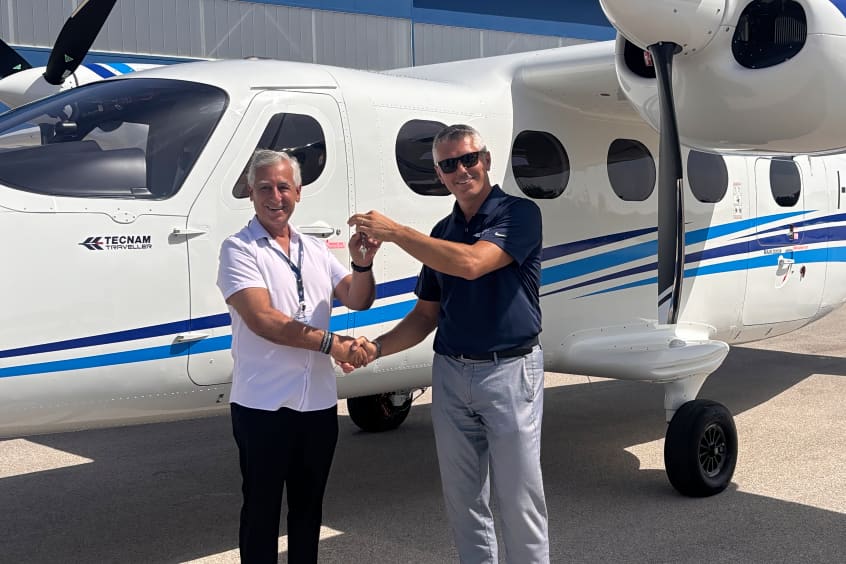
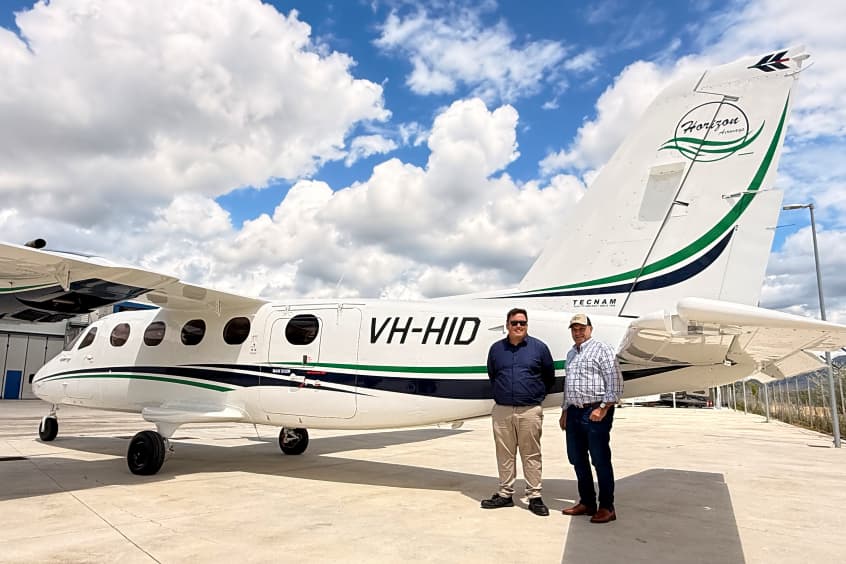
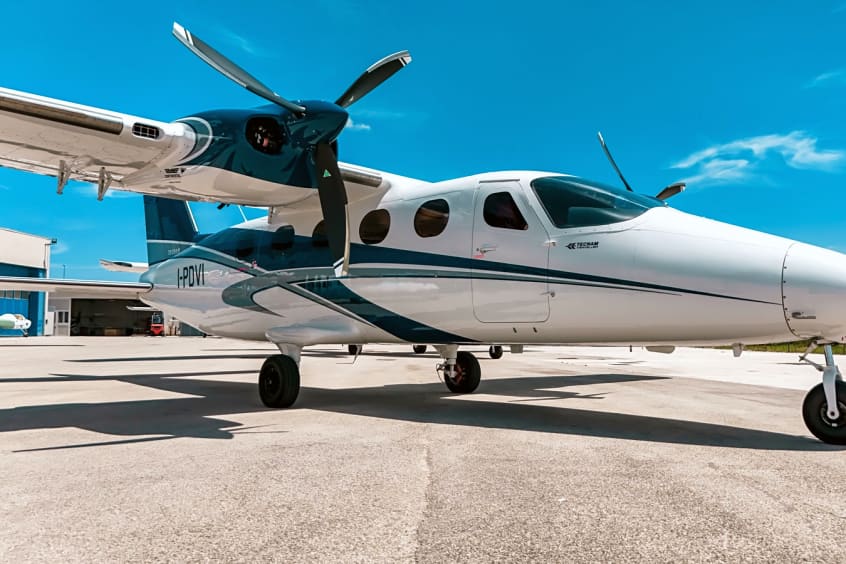
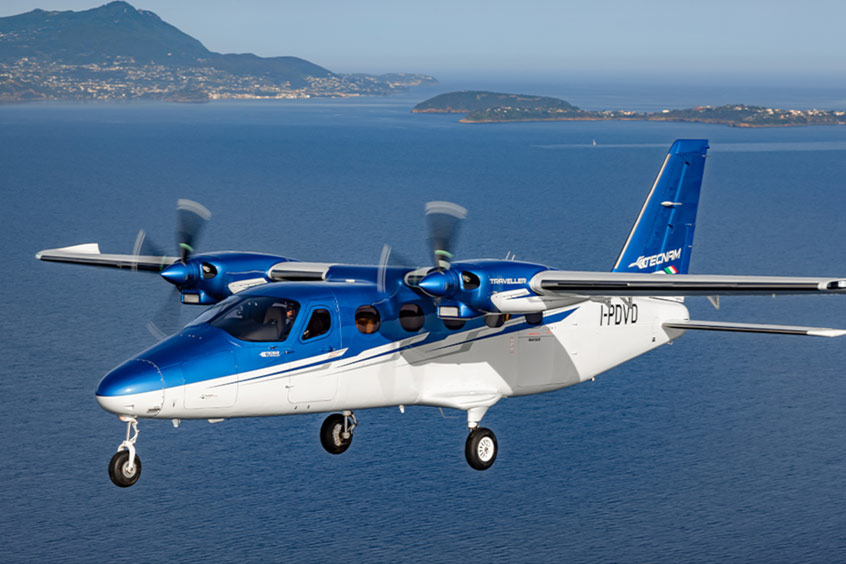
flyvbird is committed to its vision of enhancing connectivity in rural areas of Europe, all utilising smaller, more accessible airports. Its first aircraft will be the nine seat Tecnam P2012 Traveller, with its short runway, rugged performance characteristics. Thereafter, it plans to move towards the hybrid-electric Electra, when infrastructure to support next generation aircraft becomes available. flyvbird signed a letter of intent with US manufacturer Electra Aero for up to 100 aircraft in June 2023.
“We haven't determined our full future fleet yet, but we plan to keep loyal to the Tecnam Traveller P2012 for a long time. It's right sized, offers excellent performance with good economics and is perfect to get distributed in new networks and scale up. It's all about unit economics and technology,” says Lutz.
Initially, flyvbird will focus on six airports with three aircraft. He continues: “We ask the algorithm what it can do to help us to generate 72 connections for example, considering passengers' needs flying on a route, including whether they will accept a stop. Once fine-tuned we skip into the second year with seven aircraft, enabling 85 connections. And once that's happening, we can escalate and open all our airports in between, because then we will understand our customers and fly non-stop flights.”
Co-founder and managing director Tomislav Lang adds: “It's a little how legendary regional carrier Crossair did it, out of Basel Euroairport. We want to do it on a bigger scale, because we're aiming to operate more than 70 to 80 aircraft in the next five years. And we cannot solve operational positioning on paper anymore. You need this technology, the right fit aircraft, to start operating on your own air operator's certificate and manage the system to become excellent in what you do.”