The bimonthly news publication for aviation professionals.
Partners in Aviation (PIA) is marking its 10-year anniversary as its structured co-ownership model gains wider adoption across the U.S. private aviation sector. Founded in 2016, the company developed a model pairing two owners with one aircraft under a defined legal and operational framework, positioning co-ownership between fractional programmes and sole ownership.
The approach targets operators flying between 50 and 150 hours annually, a segment historically underserved by traditional ownership models. Fractional and jet card programmes remain more cost-effective at lower utilisation levels, while sole ownership becomes viable at higher annual usage.
PIA’s model aligns two vetted owners based on geography and aircraft type, supported by an appropriate management provider and legal structure. The framework enables shared access while maintaining operational predictability and cost efficiency.
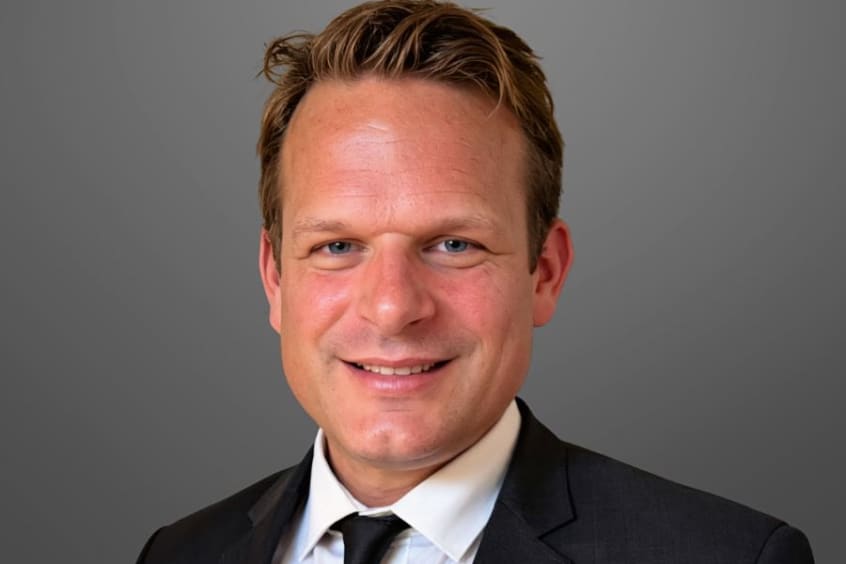
“Ten years ago, we set out to make aircraft ownership more efficient for light users, those flying roughly 100 hours a year,” says Mark Molloy, president of Partners in Aviation. “The fractional and jet card models are well designed for those flying up to 50 hours per year. Beyond that, the economics become difficult to justify. Sole ownership typically doesn't make sense until operators are flying at least 150 to 200 hours annually. Our focus has always been the operators in the middle, flying 50 to 150 hours per year.”
The company supports both existing owners divesting partial shares and new entrants acquiring fractional ownership through co-ownership structures, with legal oversight underpinning each arrangement.
PIA has expanded from an initial focus on light jets to cover a broad range of turbine aircraft, including turboprops and large-cabin platforms.
“We are not a plug-and-play membership programme,” Molloy adds. “Our process requires time to identify the right partner, aircraft and management solution. But the value proposition makes sense. This is what we do, and if co-ownership fits your needs, we can help.”
The company positions its next phase around increasing awareness of co-ownership as a structured and practical alternative within private aviation.