 The bimonthly news publication for aviation professionals.
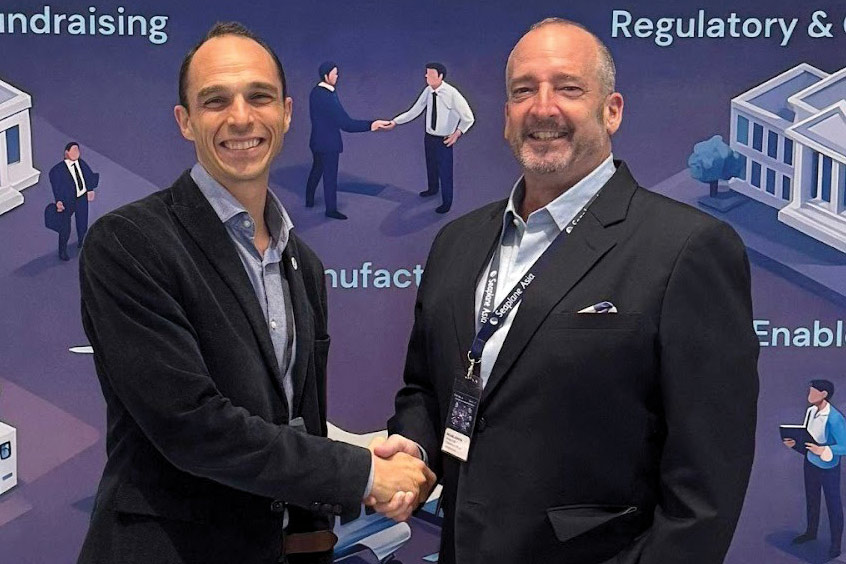
Seaplane Asia Group has signed a memorandum of understanding with NexAvian to support advanced air mobility and sustainable aviation development across Southeast Asia.
The agreement combines Seaplane Asia’s operational experience in amphibious aviation and regional mobility with NexAvian’s capabilities in emerging aviation technologies, ecosystem development and regulatory engagement. The companies intend to coordinate engagement with governments, regulators and industry bodies, with Thailand identified as an initial priority market.
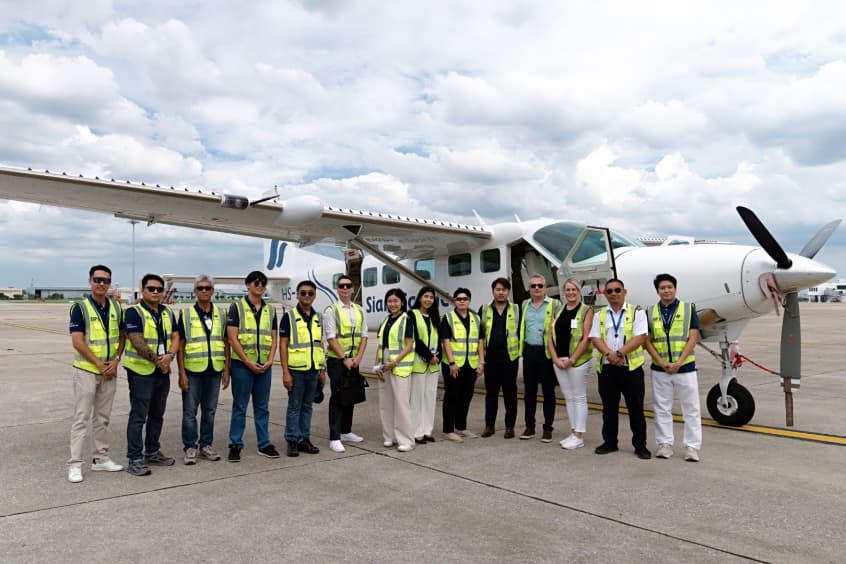
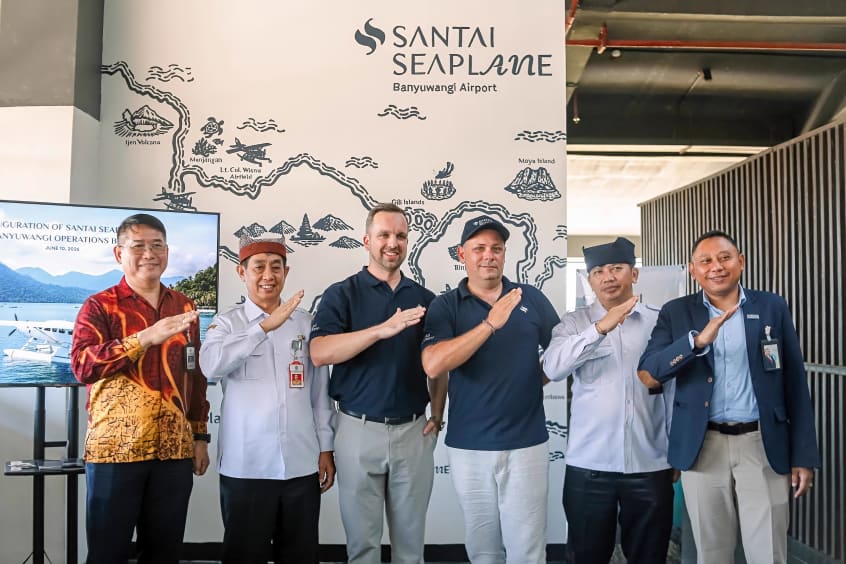
Seaplane Asia Group includes Siam Seaplane in Thailand, Santai Seaplane in Indonesia and Samra Seaplane in Cambodia, operating private charter and sightseeing flights with amphibious Cessna Caravans.
“Seaplane Asia is redefining how people move across Southeast Asia with safe, efficient and sustainable mobility. Our collaboration with NexAvian strengthens this mission. Together, we can support governments, regulators and industry partners as they build the foundations for next-generation aviation across the region,” says Michael J Aumock, CCO of Seaplane Asia Group.
“Our collaboration with Seaplane Asia strengthens our shared mission to advance safe, scalable and sustainable mobility. By combining our networks and capabilities, we can help accelerate the development of infrastructure, regulatory frameworks and operational concepts that will shape the future of aviation in this region,” adds Nick Fragassi, co-founder and COO of NexAvian Pte Ltd.
Under the MoU, both organisations will take part in working groups, technical discussions and national AAM framework development. The partnership also covers market introductions across OEMs, infrastructure developers, airports, investors, tourism partners and technology providers, alongside knowledge sharing on flight operations, safety frameworks, certification processes, water aerodromes and vertiports.
Future opportunities under review include feasibility studies, advisory engagements, pilot projects, hybrid-electric or amphibious aircraft demonstrations and early operational concepts, with any specific projects to be formalised under separate agreements.