 The bimonthly news publication for aviation professionals.
 Read this story in our February 2021 printed issue.
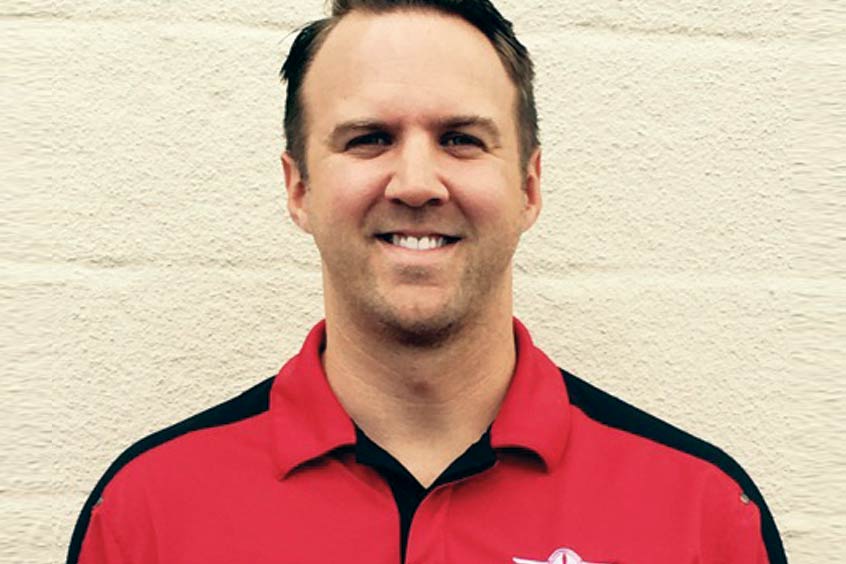
For our Perspectives series, we talk to experienced business aviation industry professionals who share with us their individual insights and offer a window into their world. This month's interviewee is Matt Drummelsmith, president of Aviation Specialty Insurance. He indicates that, although it has been a drab year for private operators, better times (and insurance rates) could be set to return.
“Over the last 18-24 months, the business aviation insurance market has been very hard, with an increase in underwriting restrictions and rates like we haven’t seen in years. Rates are going up at the same time that coverage is being pulled back or being more restricted. As a result, operators are being asked to pay more for less. This all stems from a record amount of losses and claims relative to aviation operations in recent months and years.
It’s worth noting that insurance losses may not always mirror FAA accident rates. If a tornado destroys an airport, that may not be an FAA ‘accident’, but it is an insurance claim. From our viewpoint, FAA accident/safety records may not directly correlate with insurance losses and claims. Insurance markets are looking specifically at events that pay insurance dollars. There have been some major accidents, such as the one involving Kobe Bryant, the Boeing 737 MAX issues, and several weather events. Combined, these losses run well into nine figures.
When you put all of that together in a very short amount of time, you will see markets harden quickly. If two dollars are being paid for every dollar coming in, that’s a problem for any business and the response to that is what we’re seeing now. Companies charge more, offer less, and make it more involved for pilots on the training side. It used to be that you could get checked out with an instructor, but now it might be third party training or simulator training that is required. Folks are being asked to do more and incur more cost in a bid for the insurance industry to mitigate the claim and loss activity and right the ship. This is the state of the general aviation insurance market that we live in right now. Rates are on the rise, everywhere from 10 to 40 per cent depending on the segment you’re in and a number of variables. Regardless of what segment you fit in, rates are on the up.
Carriers can mitigate claims by having pilots take advanced steps in training, which has an impact on the safety of the operation overall. Historical flexibilities are being pulled in favour of more traditional underwriting that makes training necessary every year. Higher rates, higher deductibles, and less coverage. All to correct the market and bring it more in line with what we saw in 2018 and prior. It’s a tough spot to be in. Added to all of this is the COVID-19 pandemic and its stifling effect on the travel, tourism, and aviation industries, among others. Airline travel is down 60 per cent and commercial aviation is driven by passengers being in the seats. Not only were operators getting less coverage for more money, but operators had fewer revenue-generating hours because of the pandemic. It was quite a miserable year!
However, we are optimistic for a market restoration to pre-COVID. More operations will be in the pot and everything will be going in a better direction. But until then, it’s a tough time to be a small commercial operator, in this climate. For at least the last 30 years, I would say that this is the hardest market that anybody has seen.”