 The bimonthly news publication for aviation professionals.
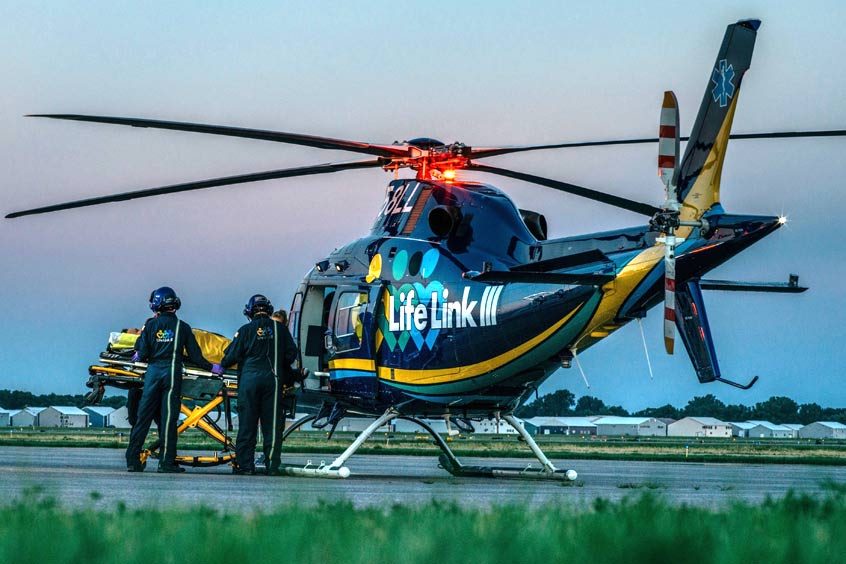
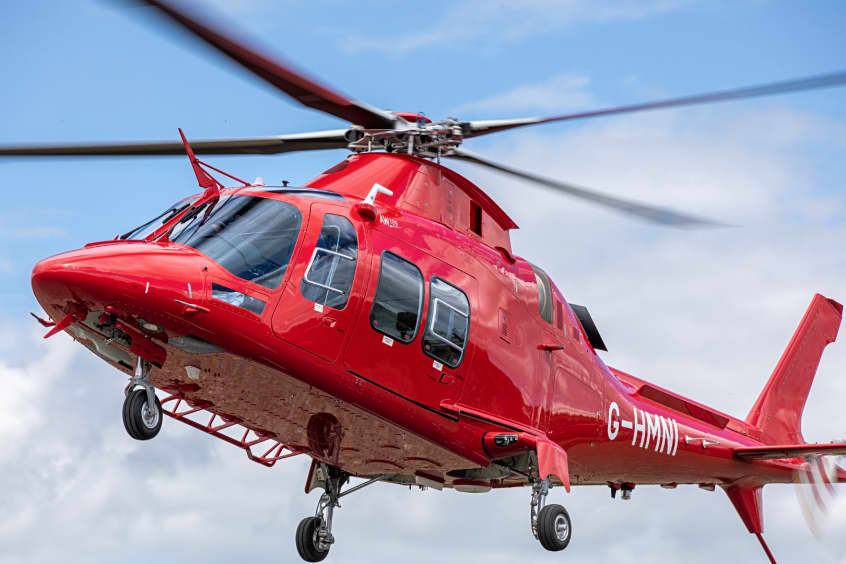
Upper-midwest US EMS operator Life Link III has placed an order for a IFR-certified AW119 single engine helicopter with a future option for a second aircraft. The aircraft will be added to an existing fleet of ten AW119Kx helicopters, delivering in-flight critical care and transporting patients in Minnesota and Wisconsin with over 21,000 total flight hours amassed. Delivery from the AW119 final assembly line in Philadelphia is expected in the third quarter of 2021.
The contract marks the first sale for the FAA-certified IFR-capable AW119 in the civil market and for EMS roles. The type is the first single engine helicopter in decades to meet current IFR requirements, allowing pilots to operate the aircraft safely in low visibility and challenging weather conditions, thanks to advanced avionics by Genesys Aerosystems and redundant flight systems. The IFR-capable AW119 adds one more option and an ideal IFR entry point for commercial and public service operators who seek high levels of safety and performance in demanding conditions while keeping single engine economics. This combines with the AW119's unique light-twin like multiple redundancies of critical systems and cabin space, delivering outstanding reliability and safety.
Life Link III CEO Steve Sterner says: “Our decision to become the first civilian user of the IFR-certified AW119 fully supports our mission of providing safe and effective air medical transport. The advanced avionics and technology on this aircraft elevate our ability to provide life-saving critical care resources to those in need. With high degrees of performance, safety, speed and efficiency, this aircraft is well-suited to meet the needs of our crew members and patients.”
William Hunt, MD of Leonardo Helicopters in Philadelphia, adds: “We are proud to introduce the IFR-certified variant of the AW119 to the civilian market and to do so with an incredible partner like Life Link III. This aircraft's advanced technology and dual flight systems will ensure that our first responders are able to fly safely in challenging weather conditions while providing the same accessible, efficient cabin configuration for patient treatment and transport that the AW119 is known for.”
The AW119 has met high standards of operational requirements and mission effectiveness, including night vision goggle capability, since the first aircraft was delivered to Life Link III in early 2014. Life Link III's IFR AW119 will feature a special cabin interior with an articulated patient loading system, ensuring full patient body access for two medical professionals on board. This latest sale represents the growing share of Leonardo's helicopters in the North American EMS market, which now totals more than 113 across a fleet of AW119s, AW109s, AW169s and AW139s.